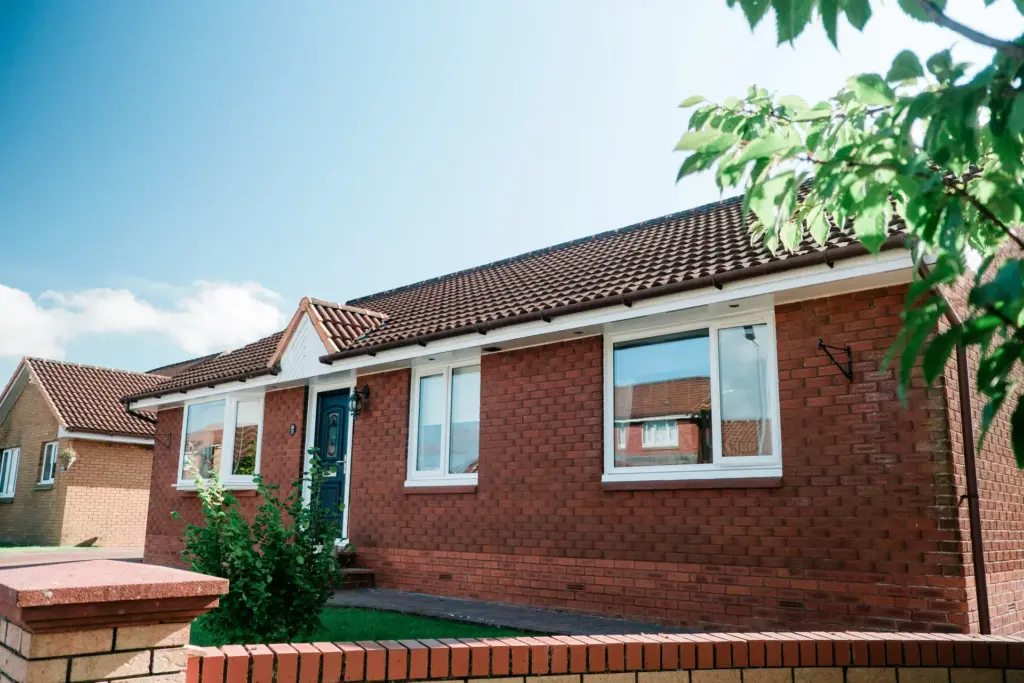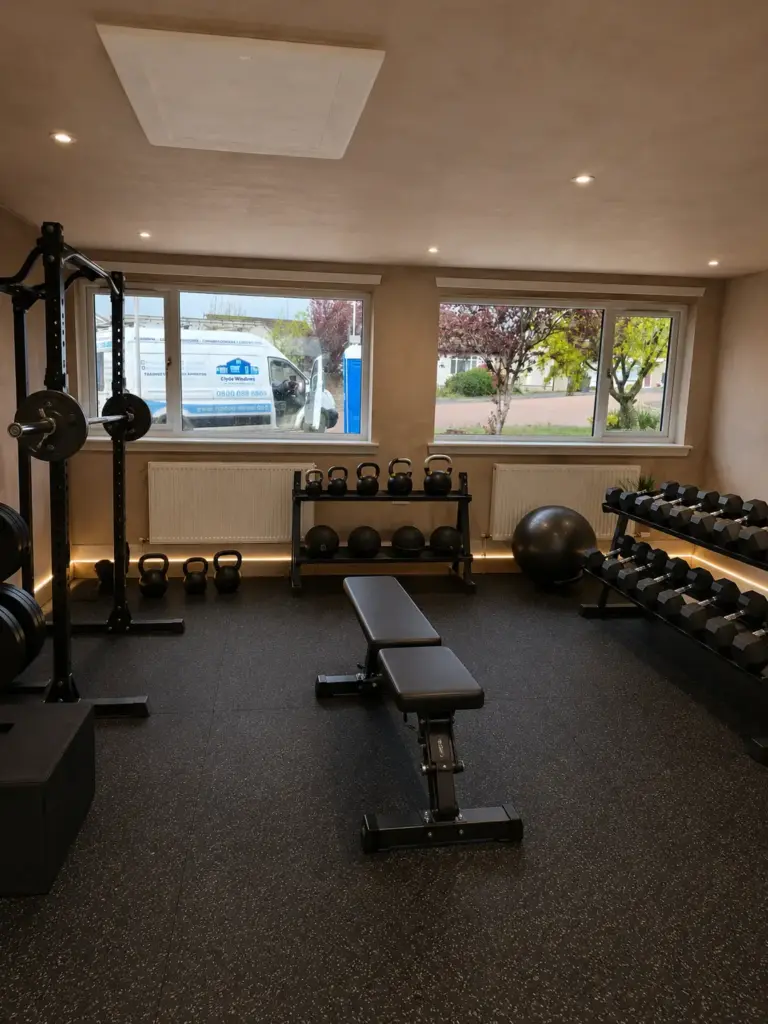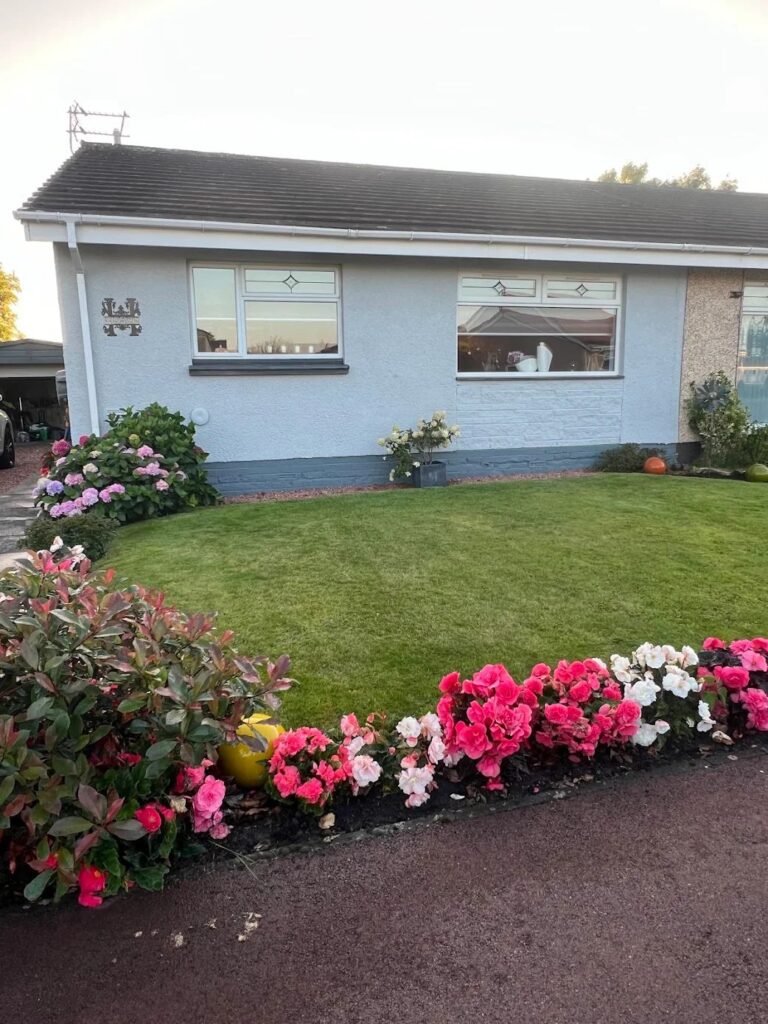

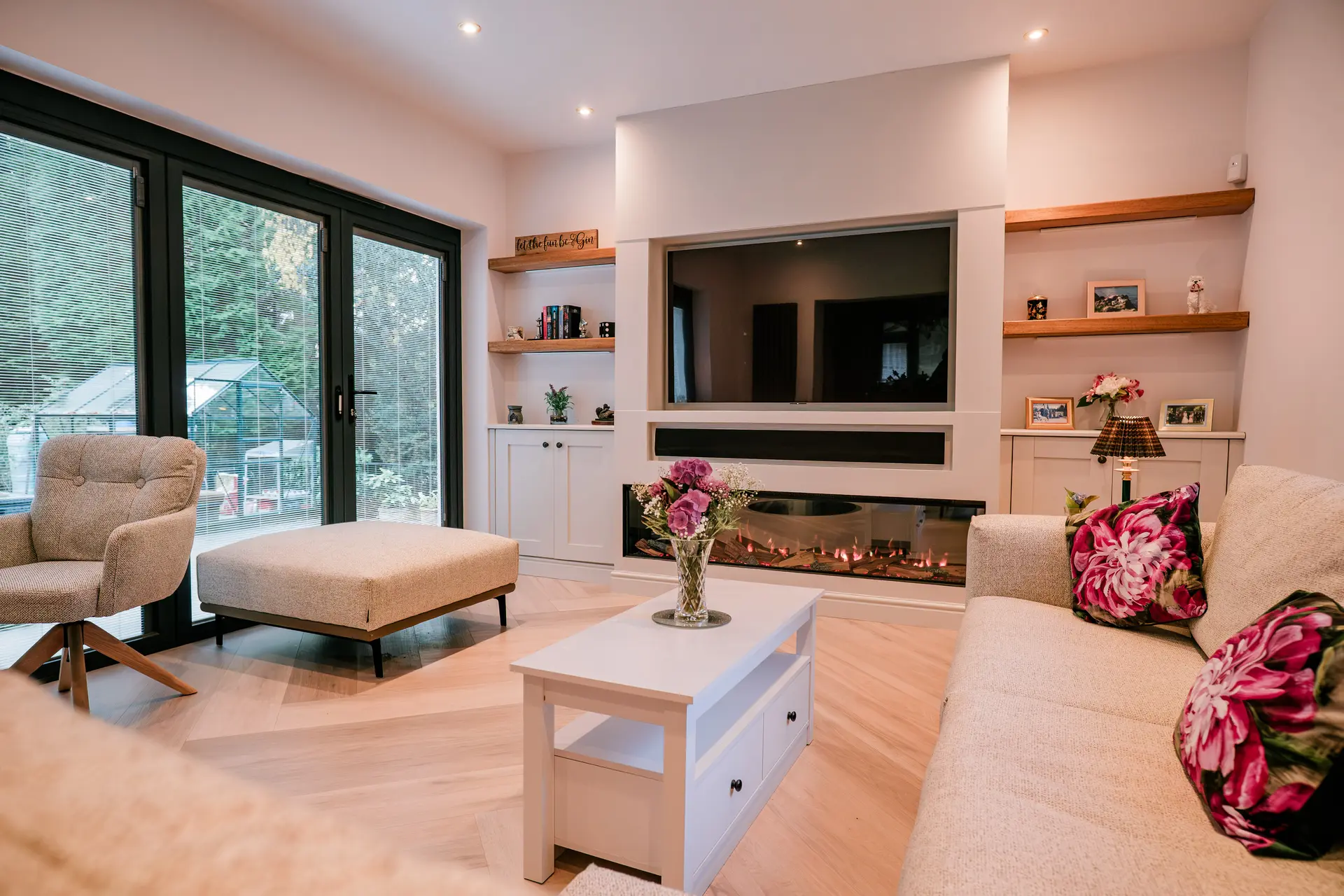
If your home feels too small, you broadly have two choices: move or extend. Moving is expensive, disruptive, and means losing a location you’ve already settled into. Extending — in one of its various forms — lets you stay put and create the space you actually need. But “extending” covers a wide range of options, each with very different costs, timescales, planning requirements, and results.
This guide compares the five most practical ways to add space to a Scottish home: a house extension, a garage conversion, a conservatory or orangery, a garden room, and a porch. For each option, we cover what’s involved, what it costs, what approvals you need, and what it’s best suited for — so you can make a properly informed decision before spending anything.
At a Glance: Comparison of All Five Options
The table below gives a quick overview of all five options across the factors that matter most when deciding which route to take.
| Option | Guide Price (Scotland 2026) | Building Warrant? | Planning Permission? | Habitable Space? | Disruption | Best For |
|---|---|---|---|---|---|---|
| House extension | £25,000 – £80,000+ | Yes | Usually yes | Yes | High | Large permanent rooms; kitchen, bedroom, living space |
| Garage conversion | £8,000 – £30,000 | Yes | Usually no | Yes | Low–Medium | Extra bedroom, home office, utility room, gym |
| Conservatory / Orangery / Sunroom | £8,000 – £40,000+ | Sometimes | Usually no | Partially | Low–Medium | Garden-facing living space, dining room, playroom |
| Garden room | £10,000 – £35,000 | Sometimes | Usually no | No (separate building) | Low | Home office, gym, studio, hobby space |
| Porch | £3,000 – £8,000 | Sometimes | Usually no | No | Very low | Entrance hall, storage, draught lobby |
Each option is covered in detail below. The right choice depends on your budget, your existing property, what the space needs to do, and what approvals apply to your situation.
1. House Extension
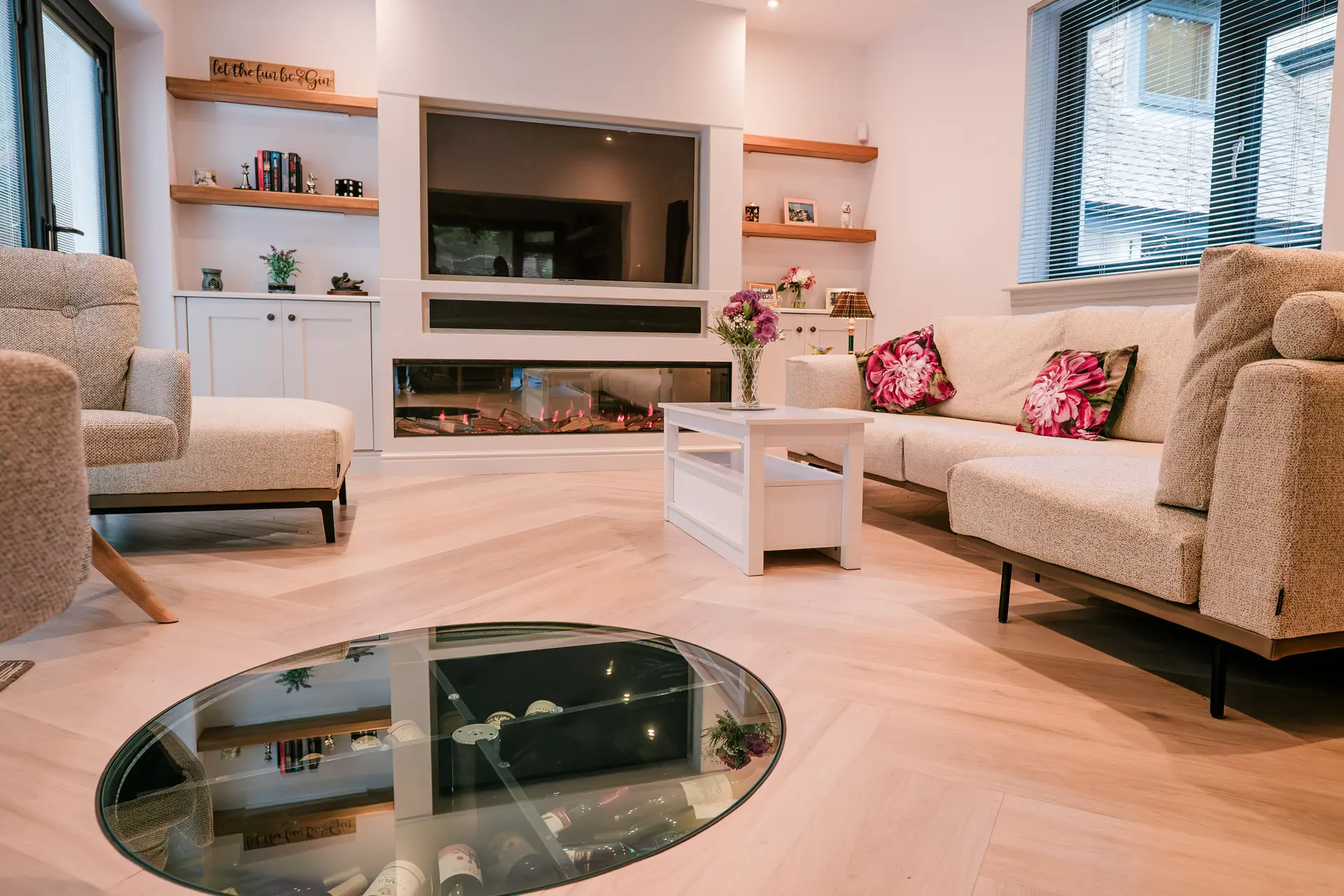
A house extension is the most substantial way to add space — a new room or rooms built onto the side, rear, or above the existing structure. It involves new foundations, new external walls, a new roof, and a full internal fit-out. Done well, the result is indistinguishable from the original house and adds genuine, permanent habitable square footage.
Cost
| Type | Typical Cost Range (Scotland 2026) |
|---|---|
| Single-storey rear extension (small) | £25,000 – £45,000 |
| Single-storey rear extension (large) | £45,000 – £70,000 |
| Side extension | £30,000 – £60,000 |
| Double-storey extension | £60,000 – £100,000+ |
These figures include structural work, insulation, windows and doors, electrics, heating, plastering, and a standard finish. They exclude furniture, kitchen or bathroom fitting, and any significant groundwork complications such as poor ground conditions or drainage diversions.
Approvals in Scotland
In Scotland, a house extension almost always requires a building warrant from your local council’s Building Standards department. It will also frequently require planning permission, depending on the size and position of the extension relative to the existing building. Single-storey rear extensions may fall under permitted development in some cases, but this depends on the specific dimensions and your local authority’s rules. Always confirm with your local planning department before committing to a design.
Pros and Cons
- Pros: The largest potential gain in space; fully integrated into the house; adds the most value; can be used for any purpose including kitchen, bathroom, bedroom
- Cons: Most expensive option; longest build time (typically 3–6 months); most disruptive; almost always needs planning permission and a building warrant; requires an architect or architectural technician for the drawings
Best Suited For
Homeowners who need a significant, permanent addition to the house — a large kitchen-diner, an extra bedroom, a ground-floor bathroom, or a substantial living room extension. If the budget allows and planning permission is achievable, an extension gives the best return on investment for long-term family space.
2. Garage Conversion
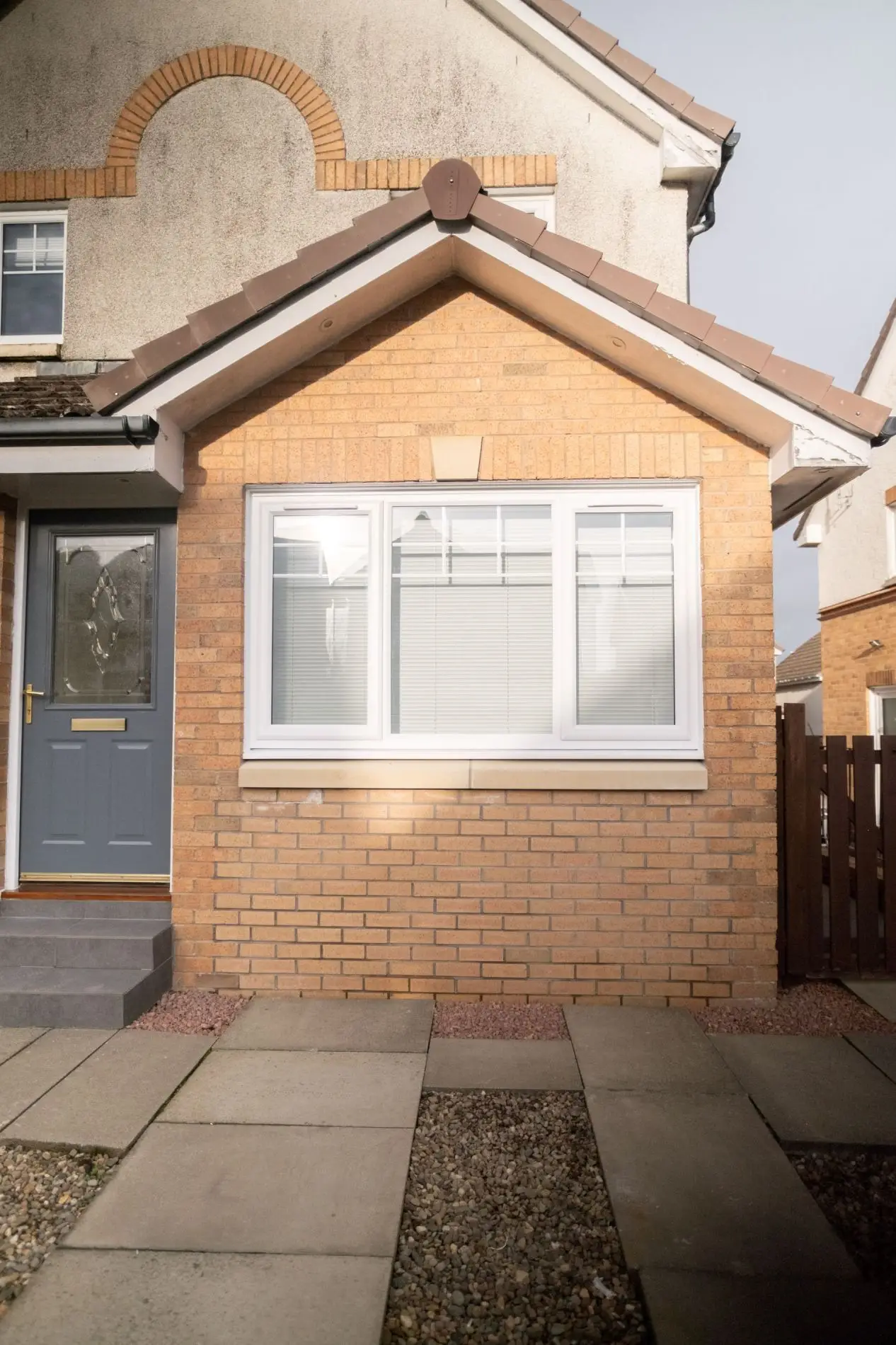
A garage conversion turns an existing attached or integral garage into a habitable room. Because the structural shell is already there — walls, floor, roof — the work focuses on insulation, a new window or door to replace the garage opening, electrics, heating, and finishing. It’s consistently the cheapest way to add a usable room to a Scottish home.
Cost
| Type | Typical Cost Range (Scotland 2026) |
|---|---|
| Single garage (basic finish) | £8,000 – £12,000 |
| Single garage (mid to high spec) | £12,000 – £18,000 |
| Double garage (basic finish) | £14,000 – £20,000 |
| Double garage (mid to high spec) | £20,000 – £30,000+ |
Costs rise significantly if plumbing is required (for a bathroom or utility room), if structural work is needed to connect the garage to the house, or if the garage is detached and requires longer heating runs.
Approvals in Scotland
A building warrant is required for almost every garage conversion in Scotland — converting a non-habitable space to a habitable room is a change of use that must meet Scottish Building Standards. Planning permission is usually not required for an attached or integral garage where no material external changes are made, but detached garages are more likely to need a planning application. Always check with your local planning department.
Pros and Cons
- Pros: Lowest cost per m² of any option; uses existing structure; minimal disruption; rarely needs planning permission; relatively fast (2–4 weeks typical); full habitable space with a building warrant and completion certificate
- Cons: You lose garage storage; only works if you have a suitable garage; the resulting room is limited by the garage’s existing dimensions and orientation
Best Suited For
Homeowners with an attached or integral garage who need an extra bedroom, home office, utility room, or gym. It’s the best-value option on this list when a usable, fully habitable room is the goal. Read more about our garage conversion service.
3. Conservatory, Orangery, or Sunroom
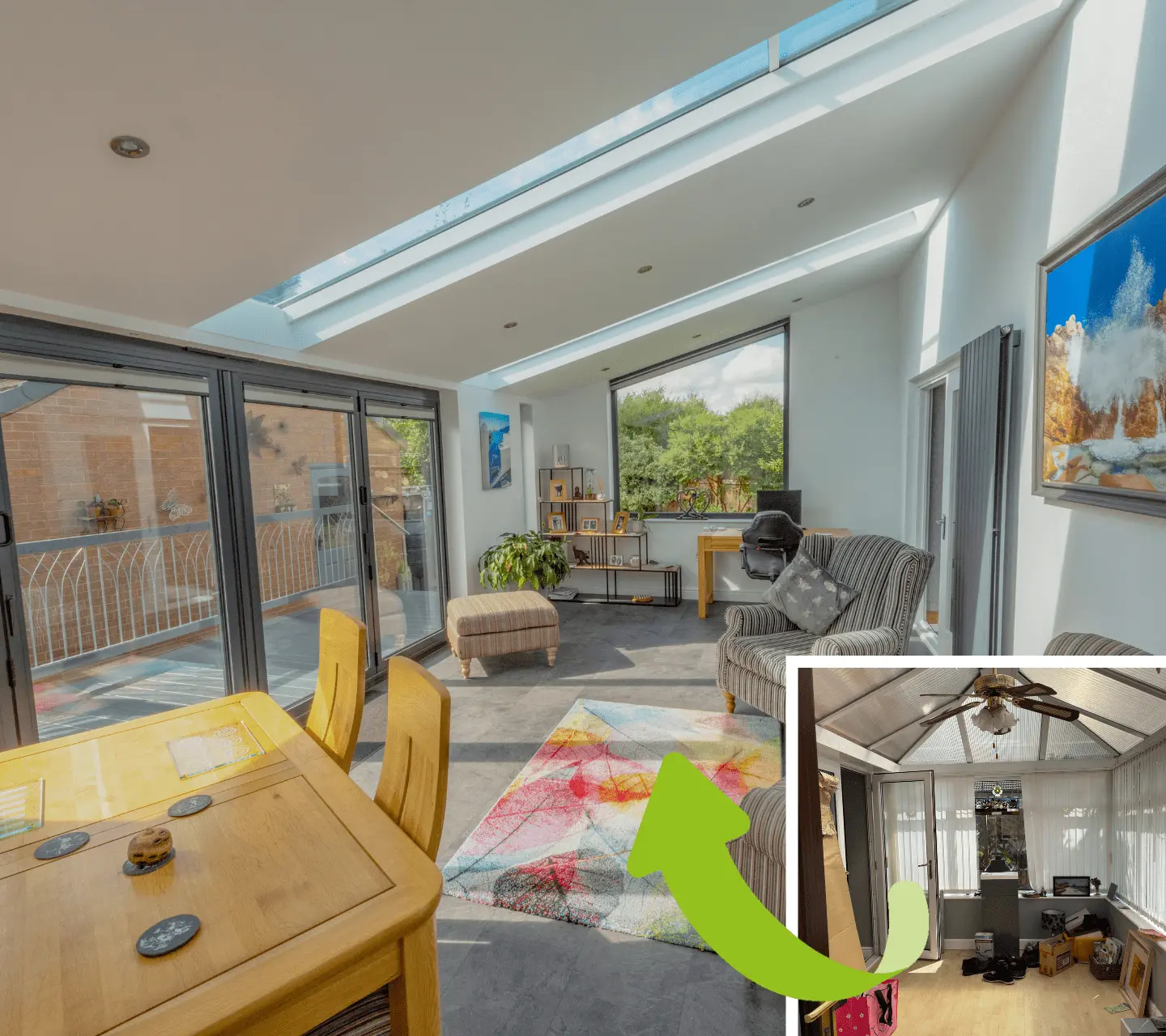
These three terms are often used interchangeably, but they describe structures with different amounts of glazing and different construction approaches. A conservatory is predominantly glazed — typically more than 75% of the roof and walls. An orangery has more solid roof and wall area, with a glazed lantern in the roof. A sunroom sits between the two, with a solid or partially glazed roof and large windows. All three attach to the rear or side of the house and create a garden-facing living space.
Cost
| Type | Typical Cost Range (Scotland 2026) |
|---|---|
| UPVC conservatory (small) | £8,000 – £15,000 |
| UPVC conservatory (large) | £15,000 – £25,000 |
| Aluminium conservatory or sunroom | £18,000 – £35,000 |
| Orangery (solid roof, lantern) | £25,000 – £45,000+ |
Approvals in Scotland
A building warrant is required for most conservatories and orangeries in Scotland unless the structure is below a certain size threshold and meets specific conditions (including being separated from the main house by an external-quality door). Planning permission is usually not required if the structure falls within permitted development limits — typically no larger than 3m beyond the rear wall on a terraced property, or 4m on a detached or semi-detached, and not exceeding the ridge height of the original roof. Confirm your specific situation with your local planning department.
Pros and Cons
- Pros: Brings significant natural light into the house; connects indoor and outdoor living; faster to build than a full extension; wide range of price points; can be used year-round if well-specified
- Cons: Traditional conservatories can overheat in summer and be cold in winter if not well-insulated; cheaper options may not perform well in the Scottish climate; a conservatory alone rarely qualifies as a fully habitable room under building warrant unless thermally specified to habitable room standards
Best Suited For
Homeowners who want a garden-facing living space — a dining room, a sitting room, a playroom — and value the connection to the garden. An orangery or well-specified sunroom with proper insulation and heating performs significantly better in Scotland than a traditional glazed conservatory, and is worth the additional investment if year-round use is the aim.
4. Garden Room
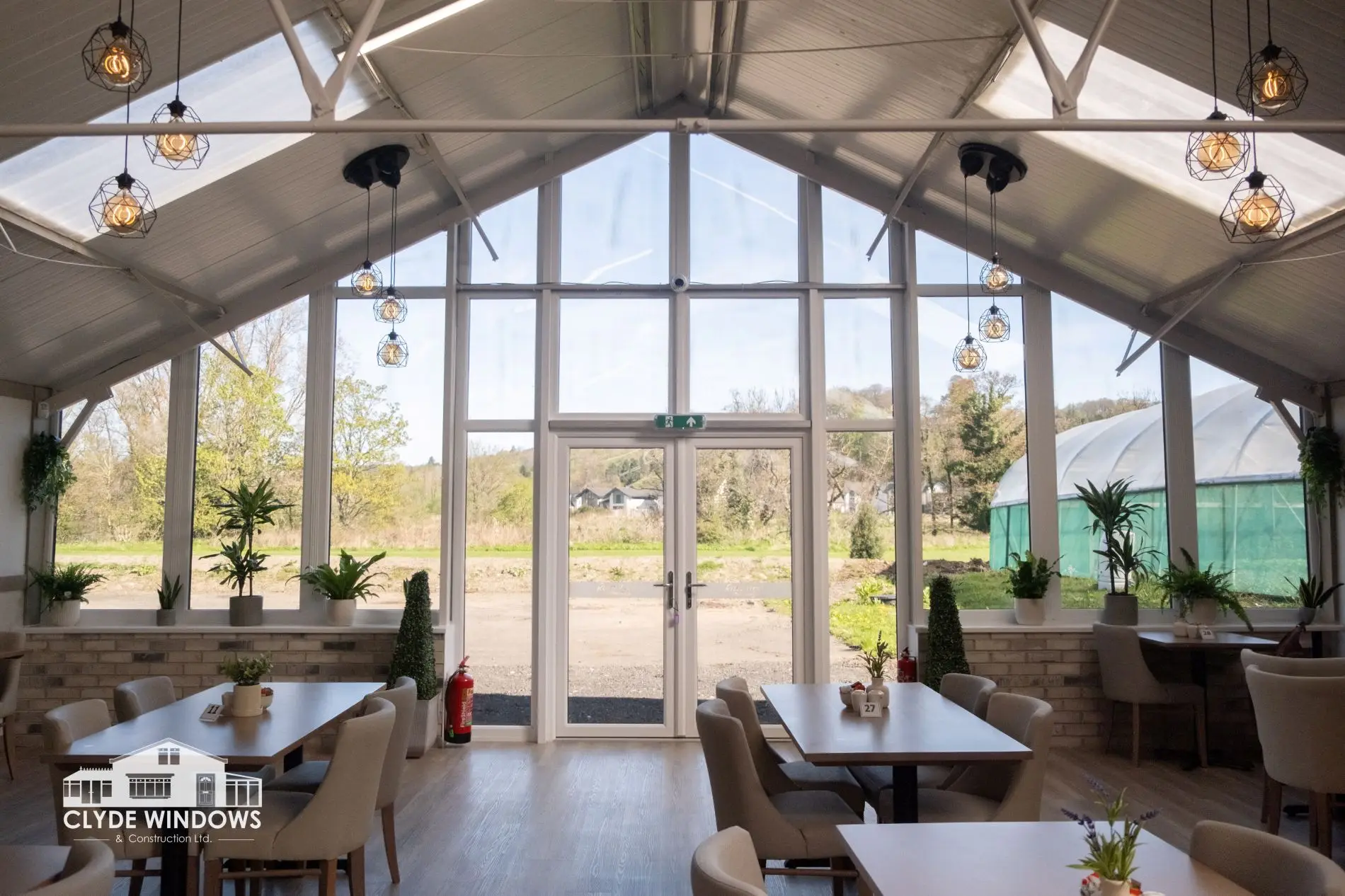
A garden room is a detached structure built in the garden, separate from the main house. It typically has insulated walls, a solid or partially glazed roof, its own electrics, and sometimes heating. It is not connected to the main house structure and does not add to the main building’s footprint. Garden rooms have become significantly more popular since the shift to home working — they offer a quiet, dedicated workspace that is physically separate from the house.
Cost
| Type | Typical Cost Range (Scotland 2026) |
|---|---|
| Basic timber garden room (small) | £10,000 – £18,000 |
| Mid-spec garden room (insulated, electrics) | £18,000 – £28,000 |
| High-spec garden room (fully fitted) | £28,000 – £45,000+ |
Costs vary widely depending on the supplier, the construction method, the level of insulation, and the fit-out. A garden room used as a home office or gym needs less fit-out than one used as a recording studio or home cinema. Connecting to the main house electrics adds cost if the run is long.
Approvals in Scotland
Garden rooms often fall within permitted development in Scotland — no planning permission required — as long as the structure is within certain size limits, sits within the garden boundary, and is not used as a separate dwelling. A building warrant may be required depending on the size and intended use; your local Building Standards department will confirm. Structures that are clearly ancillary to the main house (a garden office, not a self-contained flat) are generally treated more permissively.
Pros and Cons
- Pros: Completely separate from the house — quiet, private, no disruption to the main building; often no planning permission required; relatively quick to install; versatile use
- Cons: Does not add to the main house’s habitable square footage for valuation purposes; you need sufficient garden space; requires a garden electrical connection; heating a fully detached structure is less efficient than extending the main building’s heating system
Best Suited For
Homeowners who need a dedicated workspace, creative studio, gym, or hobby space that is genuinely separate from the main house. A garden room is the best option when physical separation from the household is as important as the space itself — for video calls, music, or focused work. It is not the right choice if the goal is to add a bedroom or kitchen to the main property.
5. Porch
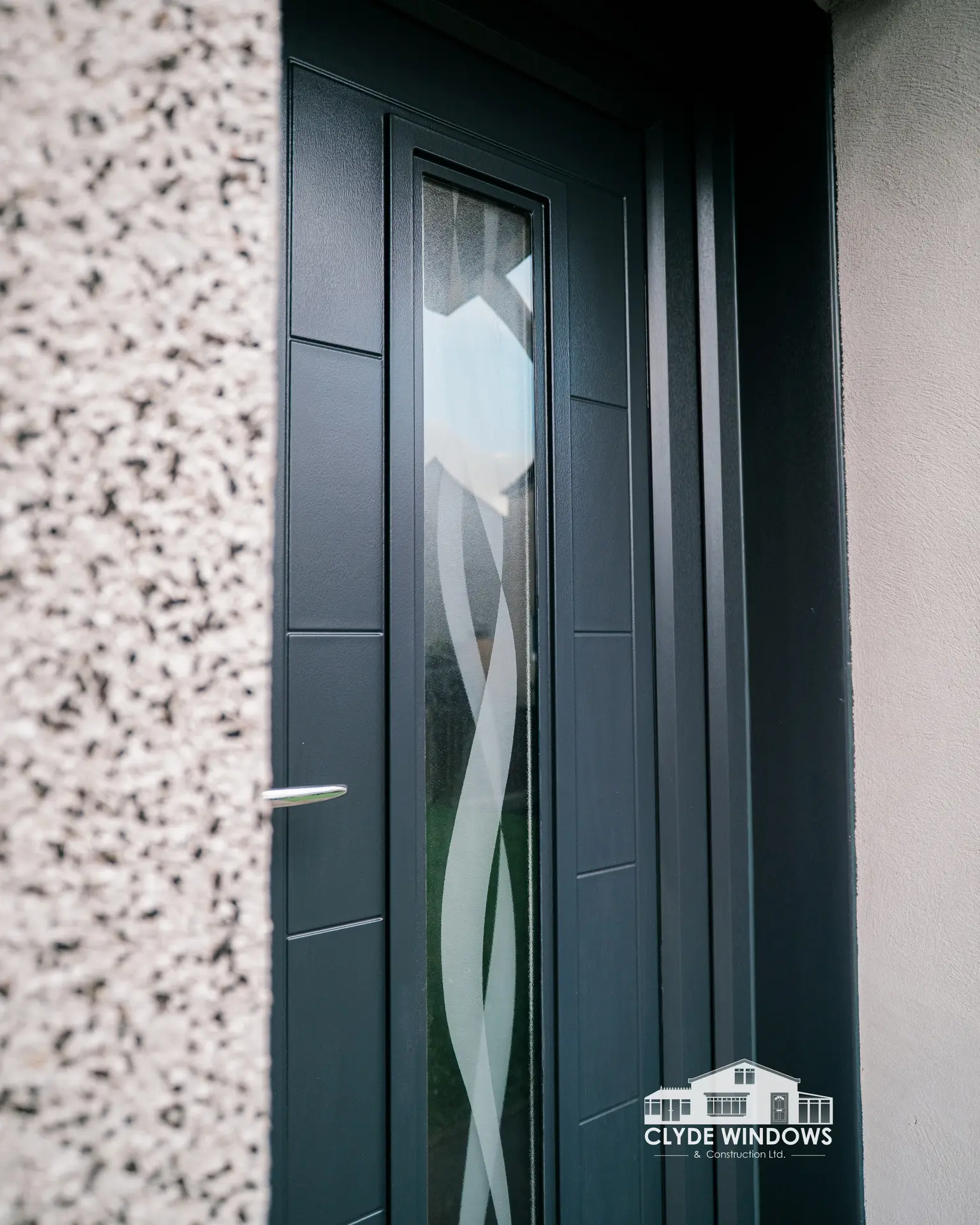
A porch is the smallest and cheapest option — an enclosed entrance structure attached to the front (or occasionally rear) door of the house. It creates a sheltered transition space between outside and inside: somewhere to remove wet coats and muddy boots, leave pushchairs and bikes, and prevent cold draughts entering the hall every time the front door opens. In Scotland’s climate, a good porch earns its cost many times over in comfort alone.
Cost
| Type | Typical Cost Range (Scotland 2026) |
|---|---|
| Small UPVC porch (lean-to style) | £3,000 – £5,000 |
| Mid-size UPVC porch | £5,000 – £8,000 |
| Brick-built porch with UPVC glazing | £7,000 – £12,000 |
Approvals in Scotland
A small porch often falls within permitted development in Scotland and does not require planning permission — provided it is below 3m² in floor area, does not exceed 3m in height, and is not on a property in a conservation area. A building warrant is not usually required for a small porch, but a larger or more complex structure may require one. As always, confirm with your local council before starting work.
Pros and Cons
- Pros: Lowest cost of all five options; quick to build; often no planning permission or building warrant needed; meaningful improvement to daily comfort and energy efficiency in a Scottish climate; provides secure secondary entrance
- Cons: Adds very limited usable space; no impact on the main living areas; does not add habitable square footage for valuation; limited use cases beyond entrance/storage
Best Suited For
Homeowners who need a practical entrance solution rather than additional living space — particularly those with young children, dogs, or active outdoor lifestyles where a boot room or draught lobby makes a daily difference. It’s also a sensible first step if budget is limited but some improvement to the property is needed quickly.
Which Option Is Right for You?
The right answer depends on what you need the space to do, what you have to work with, and what your budget allows. Here’s a simple way to think through the decision:
- You need a genuinely habitable room — bedroom, living space, kitchen → House extension or garage conversion. Garage conversion if you have a suitable garage; house extension if you need more space or don’t have a garage.
- You want to connect the house to the garden and bring in more light → Conservatory, orangery, or sunroom. Spend more for an orangery or well-insulated sunroom if year-round use in Scotland is the goal.
- You need a workspace or hobby space that is completely separate from the house → Garden room. Physical separation is the point.
- You want a practical entrance and storage solution on a limited budget → Porch. Won’t add a room, but will make daily life noticeably better in a Scottish winter.
- Budget is the primary constraint → Garage conversion is almost always the lowest cost per m² of usable habitable space. If you have a garage, this is typically the most efficient use of home improvement budget.
A Note on Planning and Building Warrants in Scotland
Scotland operates under a different system to England and Wales. In Scotland, the relevant construction approval is a building warrant, issued by your local council’s Building Standards department — not building regulations, which is an England and Wales concept. Planning permission is a separate process and applies to changes that affect the external appearance of the property or its use.
For any of the options on this list, the safest approach is to confirm both the planning and building warrant position with your local council before committing to a design or spending money on drawings. Permitted development rules in Scotland are not identical to those in England, and local authorities can apply additional restrictions — particularly in conservation areas or for listed buildings.
Summary
Each of the five options serves a different purpose and suits a different budget. A house extension gives the most space but costs the most and takes the longest. A garage conversion gives the best value for money on habitable square footage. A conservatory or orangery connects the house to the garden but requires careful specification to perform well in Scotland year-round. A garden room is the right choice when physical separation matters more than extending the main building. A porch is a small but genuinely useful investment in a Scottish climate.
At Clyde Windows & Construction, we supply and install UPVC windows and doors across all of these project types — from garage conversion glazing to conservatory frames to porch enclosures — manufactured in-house and installed by our own team. If you’re planning a project and want to discuss the glazing, get in touch with our team.