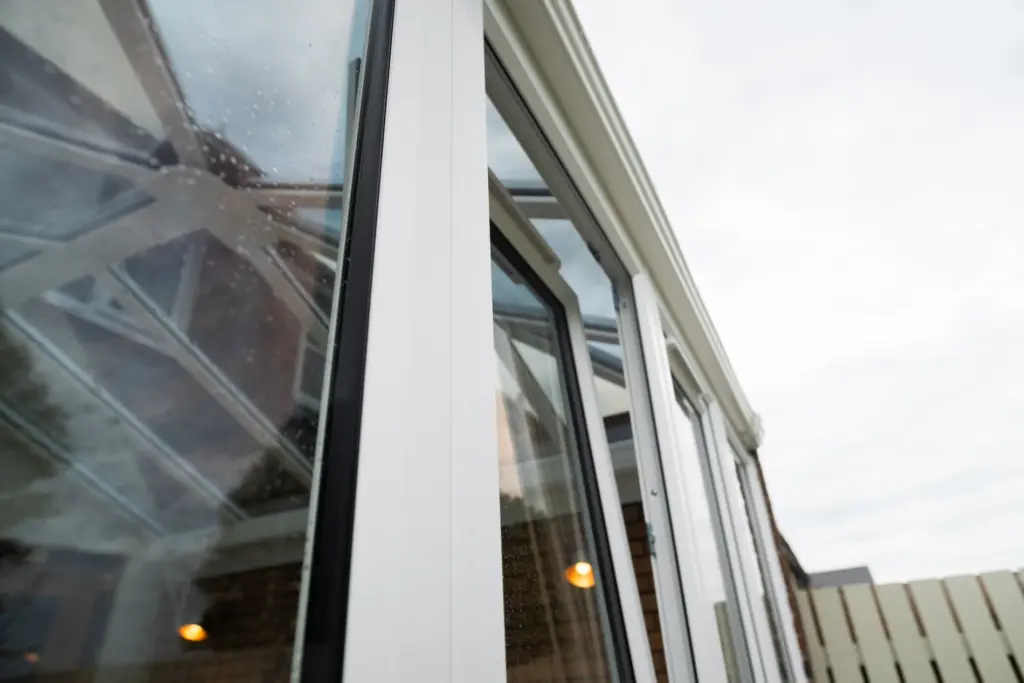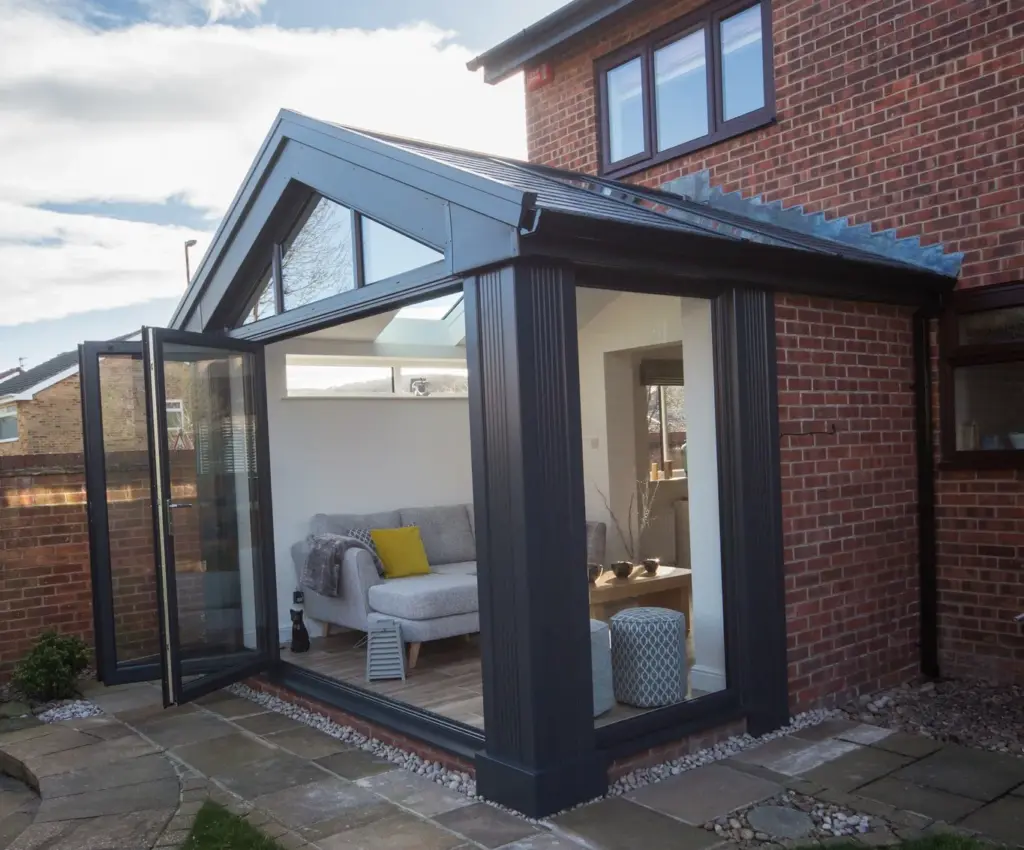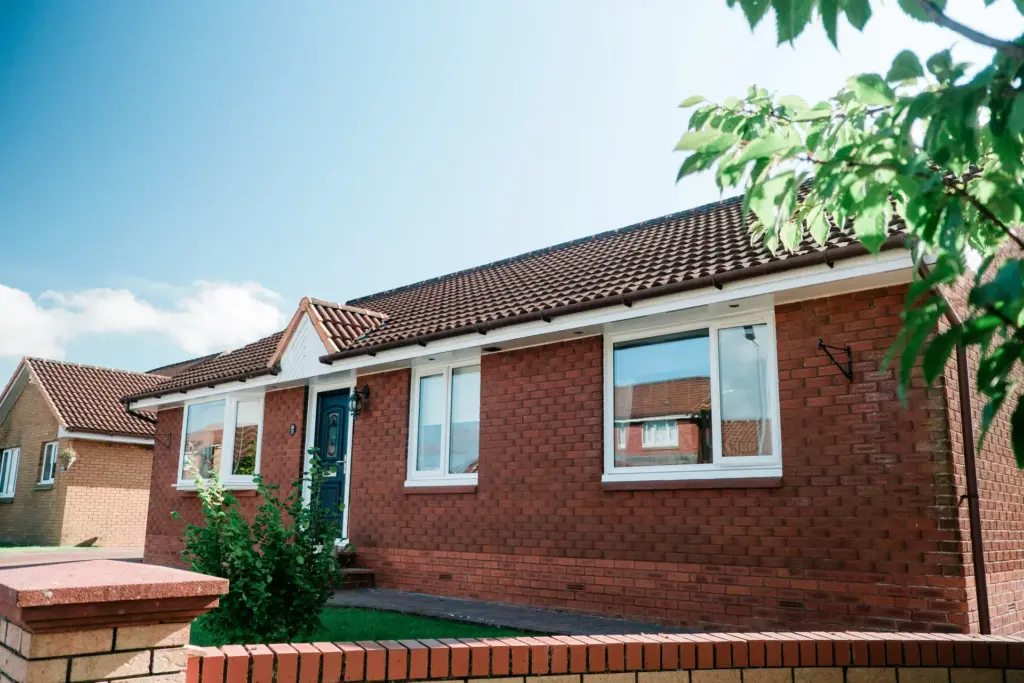

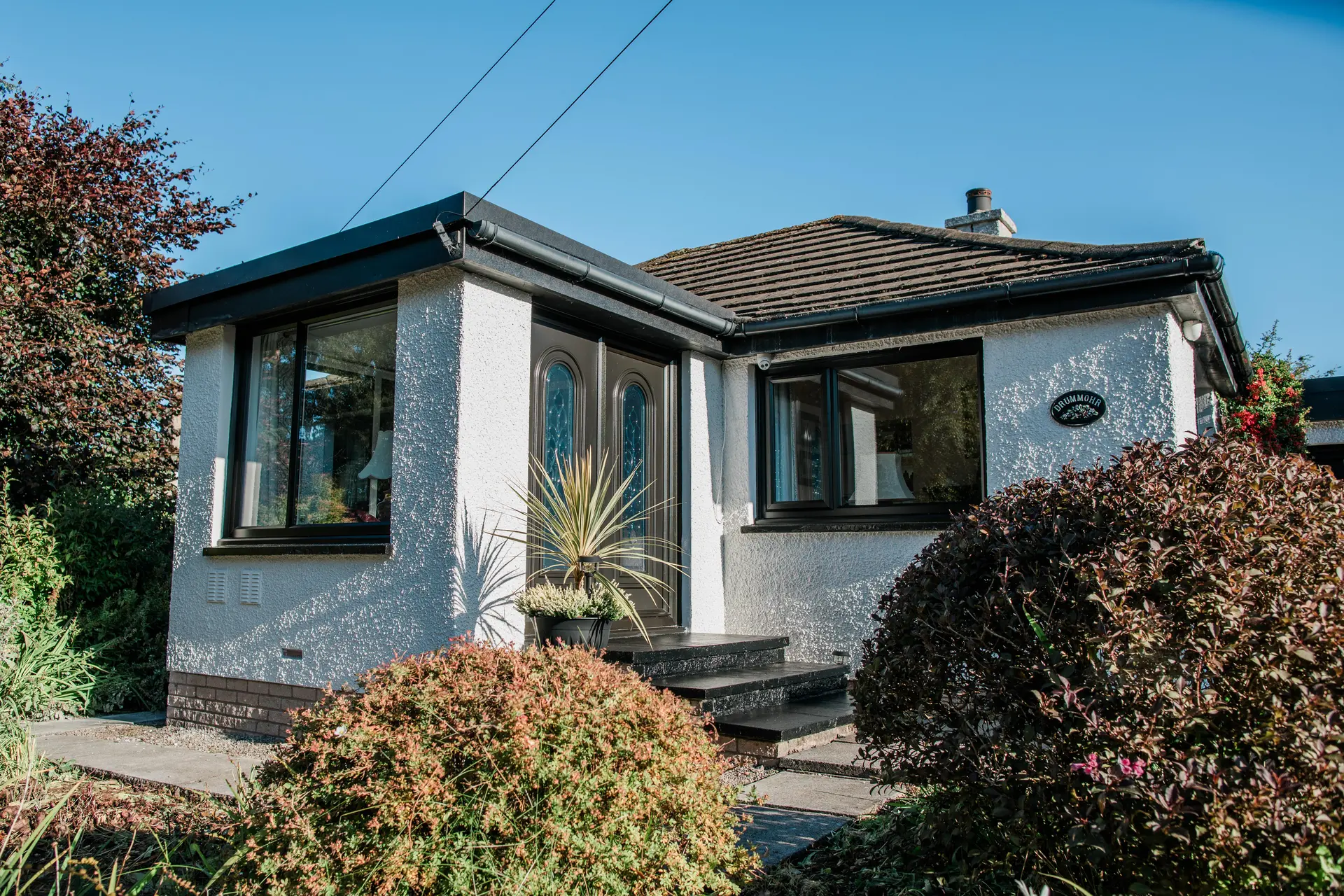
Tilt and turn windows are a popular choice for Scottish homeowners, as they are easy to clean from the inside, provide an effective seal against draughts and noise, and offer two versatile opening options.
In this guide, we cover the cost and pricing of tilt and turn windows, including material choices, size-based pricing, installation costs, and what you can expect to pay for a full house replacement.
Key Benefits of Tilt and Turn Windows
Before we get into the detail of costs, it’s worth understanding what makes tilt and turn windows stand out from standard casement or sash designs.
- Two opening modes: Turn the handle 90° to tilt the top inwards for secure ventilation, or 180° to swing the sash inwards like a conventional casement.
- Easy to clean: Opening the window inward means you can wipe down the exterior glass safely from inside — no ladders needed.
- Better security: Multi-point locking systems engage at several points around the frame, making tilt and turn windows significantly more resistant to forced entry than a standard single-latch casement.
- Child-safe ventilation: The tilt position opens just enough for fresh air without creating a gap large enough for a child to fall through.
- Tight seal: The double compression seal around the frame reduces draughts, noise, and heat loss.
What You Need to Know About Tilt & Turn Window Prices
The cost of replacing your existing windows with new tilt and turn windows depends largely on your specifications. The most affordable option is typically a plain white window with standard glazing. From there, you can upgrade the style, security, and ventilation features during your initial consultation with one of our window experts.
Every window installed in your home is made to measure, as it should be. After all, these are a long-term investment, and you’ll be living with them for the next 10–15 years.
Factors Affecting Your Tilt & Turn Window Replacement Cost
Several key factors will influence the cost of fitting your home with new tilt and turn windows. Below are the most important factors, roughly in order of impact on overall price:
- Window size and configuration (larger or non-standard designs have the biggest impact on cost)
- Material (uPVC, timber, aluminium)
- Glazing specifications (toughened glass, PAS 24-certified windows, triple glazing)
- Number of windows (more windows increase total cost, though unit price may reduce)
- Installation complexity (access issues, upper floors, or structural alterations)
- Colour options (internal and external finishes, including woodgrain effects)
- Energy efficiency ratings (higher-rated windows can increase upfront cost)
- Opening mechanisms and hardware (handles, restrictors, soft-close features)
- Ventilation requirements (e.g. trickle vents to meet building regulations)
Quick Overview: Tilt and Turn Window Cost Estimates
While prices vary and every installation is different, we have gathered typical cost ranges to give you a realistic starting point:
- uPVC tilt and turn windows: £500–£1,500 per window
- Aluminium tilt and turn windows: £1,200–£2,500 per window
- Timber tilt and turn windows: £1,800–£2,800 per window
- Whole-house example: The average Scottish 3-bedroom home with 8–10 uPVC windows will cost £5,000–£12,000 depending on size, colour, finish material, and glazing chosen.
uPVC Tilt & Turn Window Cost by Size
We’ve gathered typical supply and installation costs for white, standard uPVC tilt and turn windows in the table below. These prices reflect a good standard of quality, and exclude additional plastering work and the specification options mentioned above.
If you receive quotes that are significantly lower than these ranges, it’s worth carrying out additional checks on the window company to ensure the products and installation meet acceptable standards.
| Window size | Supply cost | Fitting cost | Total (avg.) |
|---|---|---|---|
| 800 × 800 mm | £400–£600 | £120–£300 | ~£520–£900 |
| 1,000 × 800 mm | £435–£635 | £120–£300 | ~£555–£935 |
| 1,000 × 1,000 mm | £580–£680 | £160–£350 | ~£740–£1,030 |
| 1,200 × 1,200 mm | £640–£940 | £160–£350 | ~£800–£1,290 |
While you may be considering replacing an individual window, you could benefit from economies of scale. Replacing multiple windows — and perhaps a door — can reduce the overall cost, as it spreads the fixed costs for the installation team across one larger job rather than several smaller visits.
Tilt & Turn Window Cost by Frame Material
Material is the single biggest cost driver. Here’s how the three main options compare:
| Material | Price (supplied & fitted) | Best for |
|---|---|---|
| uPVC | £520–£1,290 | Budget-conscious buyers, low maintenance |
| Aluminium | £1,200–£2,500 | Modern aesthetics, slim frames, large panes |
| Timber | £1,800–£2,800 | Period properties, natural character |
uPVC is the most popular choice in Scotland as it requires minimal maintenance, doesn’t rot or corrode, and holds its colour well. Aluminium allows slimmer sight lines and more glass area, giving a cleaner, more contemporary look. Timber suits older or listed properties but requires periodic painting or staining to keep it in good condition.
Triple Glazing Cost in Tilt & Turn Windows
In most cases, triple glazing upgrades on tilt and turn windows are not particularly cost-effective, as the additional expense is significant compared to the marginal improvement in noise protection and insulation they provide. In very noisy areas, triple glazing — or even acoustic laminate glass — may be a better solution.
Triple glazing can also add significant weight to the opening sash and may reduce the lifespan of the moving parts, as hinges and hardware are placed under more stress.
Most tilt and turn windows come with double glazing as standard, but triple glazing is worth considering if energy efficiency or noise reduction is a priority. Visit the Energy Saving Trust for guidance on window energy ratings and what to look for.
- Double glazing: ~£350–£600 per window — solid insulation and noise reduction, the most cost-effective choice for most homes.
- Triple glazing: ~£500–£800 per unit — better thermal performance and quieter interiors, but a higher upfront cost.
Window Size and Quantity
Larger windows cost more to supply and take longer to fit. If you’re replacing multiple windows at the same time, it’s worth asking your installer about a discount — buying in volume often reduces the per-window price.
Colour and Finish
White uPVC is the most affordable finish. Woodgrain foils, anthracite grey, and RAL colour-matched frames all carry a premium — typically 10%–30% more per window, depending on size and quantity.
Installation Costs Explained
Fitting a standard tilt and turn window typically takes 120–180 minutes per window for a straightforward like-for-like replacement by one of our trained fitters. More complex jobs — such as enlarging an opening, working at height, or dealing with older masonry — will take longer and cost more.
Typical fitting cost: £150–£400 per window, depending on size and complexity.
A standard installation includes:
- Preparing the area using dustsheets or floor coverings
- Double-checking all dimensions and specifications are correct
- Removal and disposal of the existing window
- Fitting the new frame and cill into the existing opening
- Fitting the finishing trims, internal and external
- Cleaning everything down after installation
- Silicone seal around the frame and trims
- Testing the handle mechanism and locking points
- Tidying up afterwards
It does not usually include replastering, repainting window boards, or making good significant gaps in brickwork — ask your installer to clarify what’s included in their quote.
Tilt and Turn Windows vs Other Window Types
Tilt and turn windows sit at a higher price point than most alternatives. Here’s how they compare:
| Window type | Typical installed price | Pros | Cons |
|---|---|---|---|
| Tilt and turn | £500–£1,500 | Versatile opening, secure, easy to clean | Higher cost, opens inward (needs clear wall space) |
| Casement | £400–£1,400 | Simple, affordable, good ventilation | Frame swings outward, single latch less secure |
| Sash | £800–£1,800 | Classic look, suits period properties | Limited opening size, can stick over time |
| Bay windows | £1,500–£5,500 | Adds light and character, increases perceived space | Expensive, complex to install |
| Fixed (non-opening) | £300–£1,300 | Cheapest option, very energy efficient | No ventilation |
If you’re replacing standard casement windows throughout a house and tilt and turn isn’t a priority, casements remain excellent value. But if you want maximum flexibility — particularly in bathrooms, flat conversions, or rooms where reaching outside isn’t safe — tilt and turn is hard to beat.
Additional Supply Costs to Be Aware Of
- Delivery: £50–£150 depending on your location and order size
- Security upgrades: Additional locks or reinforced glazing — additional cost per sash
- Annual maintenance: Professional cleaning and seal check (recommended) — approximately £50–£150 per year for the whole house
- Plastering & finish: Replastering or repainting around new frames — typically £50–£150 per window if needed
- Warranty: Reputable installers offer a 10-year warranty on frames and glazing units. This will be stated in your contract. Look for installers registered with FENSA, the competent persons scheme for window and door installations.
Common Tilt and Turn Window Issues
Tilt and turn windows are generally reliable, but there are a few recurring issues worth knowing about:
- Handle stiffness or misalignment: As the window is a moving part, it is a serviceable item and may require realignment from time to time. Usually a straightforward fix for a window fitter.
- Seal degradation: The compression seal around the frame can harden or shrink after 10–15 years, leading to draughts. Replacement seals can sometimes be fitted without replacing the whole window.
- Condensation between panes: If you see misting inside the double-glazed unit, the seal has failed and the glazing unit needs replacing — not necessarily the whole frame.
- Hinge wear: Heavy or frequently used windows can develop loose hinges. These should be adjusted or replaced before the fault worsens.
How to Find and Hire a Tilt & Turn Window Fitter
- Trusted Trader Scotland endorsement: A government-backed scheme that vets trades for quality and customer service.
- Multiple quotes: Prices vary significantly between installers — especially for aluminium and timber — so comparing quotes is essential. The cheapest quote is not always the best.
- Ask what’s included: Confirm whether disposal of old windows, making good, and VAT are all included in the quoted price. Some companies ask you to pay for products and fitting separately — check who the guarantee and liabilities fall with in this case.
- Check reviews: Look for recent reviews that specifically mention window installation or manufacture and supply, not just general building work.
- Manufacturing: Most window companies buy their windows in bulk from a third party. Ask who is liable for your guarantee — the manufacturer or the installer? Finding a company that manufactures and installs generally means better quality control and accountability. The Glass and Glazing Federation (GGF) can help you find accredited members.
Remember — not all quotes are equal. Make sure you get a written quotation or detailed specification to compare your quotes accurately.
FAQ: Tilt & Turn Window Cost
Are tilt and turn windows more expensive than casement windows?
Yes — typically by around £50–£200 per window, fully fitted. The higher cost reflects the more complex dual-mechanism hardware. For most homeowners the additional outlay is worth it for the cleaning access and ventilation flexibility alone.
How long do tilt and turn windows last?
With proper maintenance, a quality tilt and turn window should last 20–40 years. uPVC frames tend to last 25–35 years; timber frames can last longer if maintained well. Glazing units typically carry a 10-year seal warranty.
Can tilt and turn windows be fitted in any home?
In most cases, yes. The main thing to check is that there’s enough clear wall space inside for the sash to open inward. In rooms with furniture or shelving tight against the wall, a casement or sash window might be more practical.
Are tilt and turn windows secure?
Yes. Most models include a multi-point locking system that engages at several points around the frame, making them more resistant to forced entry than single-latch casements. Look for windows that meet PAS 24 security standards if this is a priority.
Do tilt and turn windows need planning permission?
Like-for-like replacements generally don’t require planning permission. However, if you live in a listed building or conservation area, you may need approval before changing the window style or material. Always check with your local planning authority first. Scottish homeowners should also refer to Scotland’s permitted development rights guidance.
Are uPVC tilt and turn windows energy efficient?
Yes, provided you choose a window with a low U-value (ideally 1.3 W/m²K or lower) and an A energy rating. The tight compression seal on tilt and turn windows gives them a natural advantage over some casement designs when it comes to draught-proofing. For more on window energy performance, visit the Energy Saving Trust.