

Tilt and turn windows are easy to live with when they are operated correctly and given light, regular maintenance. Clean the frames and glass every three to four months, keep drainage slots clear, check the seals, and lubricate suitable moving parts at least annually or as directed by the hardware manufacturer.
This guide covers routine care, safe operation and the first checks to make if a sash catches or you notice a draught. Adjustment points vary between hardware systems, so stop and contact the installer if the mechanism does not match the guide, the sash feels unstable, or a small adjustment does not solve the problem.
Tilt and turn window maintenance schedule
| Task | Suggested frequency | Method |
|---|---|---|
| Clean glass and PVC-U frames | Every 3–4 months | Use warm water, mild detergent and a soft cloth; rinse and dry. |
| Clean gaskets and seals | During routine frame cleaning | Wipe gently with mild soapy water and inspect for damage or displacement. |
| Clear rebates and drainage slots | During routine cleaning and after dusty work | Loosen debris with a soft brush and remove it with a narrow vacuum attachment. |
| Inspect and lubricate suitable hardware | At least annually, subject to the hardware maker’s instructions | Clean first, apply the specified light oil, grease or silicone lubricant sparingly, and wipe away excess. |
| Check operation | Whenever the window is cleaned | Confirm the handle moves without force and the sash closes without catching. |
| Harsh or coastal environments | More frequently | Check for salt, moisture or chemical exposure and follow the installer or hardware manufacturer’s schedule. |
This schedule is a practical starting point. For more detail, download the window care and maintenance guide (PDF), which covers PVC-U frames, weather seals, drainage channels and hardware. Always give the instructions supplied with your particular window and hardware priority.
How to clean PVC-U frames, glass and seals
Use a soft, non-abrasive cloth with warm water and a small amount of mild liquid detergent. Rinse with clean water and dry the frame. Clean rubber gaskets gently so they stay seated in their grooves. The GGF also provides broader consumer guidance on windows and glazing.
- Do not use abrasive cleaners, scouring pads, metal polish or wire brushes.
- Avoid bleach, white spirit, cellulose thinners, nail-varnish remover and other harsh solvents.
- Check product suitability before using any specialist PVC-U cleaner, especially on coloured or foiled finishes.
- Test an unfamiliar product on a small, inconspicuous area first.
- Do not direct a pressure washer at seals, drainage openings or frame joints.
Keep tracks, rebates and drainage slots clear
Open the sash and inspect the lower frame, rebates and visible drainage openings. Use a small soft brush to loosen grit, then remove it with a suitable vacuum attachment. Do not push debris deeper into a drainage slot or enlarge the opening with a sharp tool.
Clear drainage paths allow incidental water to leave the frame. The GGF’s window and door good-practice guide also recommends periodic frame cleaning, regular fitting checks and lubrication in accordance with the manufacturer’s instructions.
How to operate a tilt and turn window correctly
Close the sash fully before moving the handle between modes. Do not force the handle while the sash is partly open, and do not try to move directly from tilt to turn without first returning the sash to the frame.
| Position | Typical handle direction | Use |
|---|---|---|
| Closed | Handle points down | The sash is secured against the frame. |
| Tilt | Handle points up | The top of the sash tilts inwards for background ventilation. |
| Turn | Handle is horizontal | The sash opens inwards for wider ventilation and easier cleaning. |
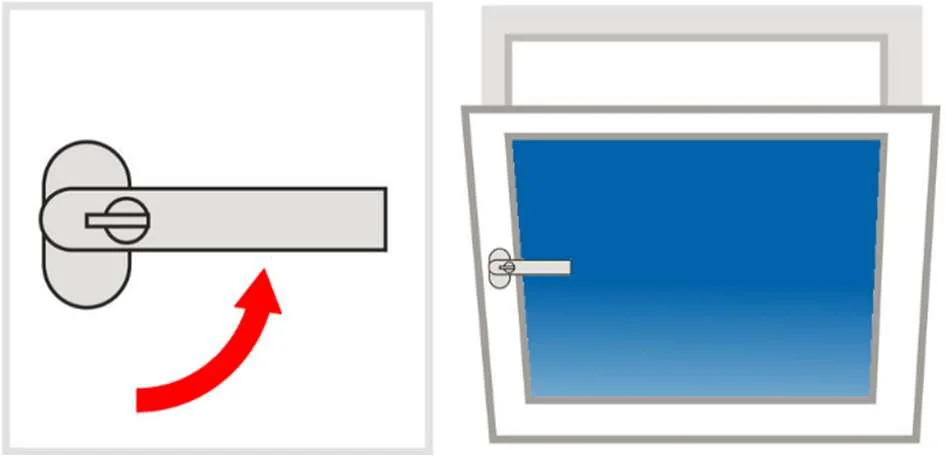

Handle directions can differ on tilt-first, restricted or specially configured windows, so follow the instructions supplied with your installation. A fully opening sash is only an emergency escape window where its size, position and specification were designed for that purpose.
How to lubricate hinges and locking hardware
Remove loose dirt before applying lubricant. Use only the product recommended for the fitted hardware—commonly a small amount of light machine oil, suitable grease or silicone-based spray. Apply sparingly to designated moving contact points and wipe away excess so it does not collect dust or reach the glazing, seals or frame finish.
Windows near the coast, in swimming-pool buildings or in other corrosive environments may need more frequent care. The supplied care guide recommends protective lubrication twice a month in these settings, but the correct interval and product should be confirmed for the installed hardware.
What to check if the window catches or feels draughty

| Symptom | First checks | When to call the installer |
|---|---|---|
| Handle is stiff | Confirm the sash is fully against the frame; inspect for debris and never force the handle. | If the handle remains stiff or the mechanism grinds, slips or will not reach its normal position. |
| Sash catches at one edge | Check for debris, loose obstructions or a displaced seal and note the exact contact point. | If the sash has dropped, requires lifting, or does not close after cleaning. |
| Draught around the sash | Check that the window is fully locked and inspect the gasket for dirt, damage or displacement. | If the gasket is damaged or additional locking compression appears necessary. |
| Water in the frame rebate | Clear visible drainage openings and confirm external outlets are unobstructed. | If water does not drain, enters the room or appears between the glass panes. |
| Sash appears open in two modes | Support the sash without forcing it and keep people clear. | Contact the installer for guidance, particularly if the sash is heavy or unstable. |
Should you adjust a tilt and turn window yourself?
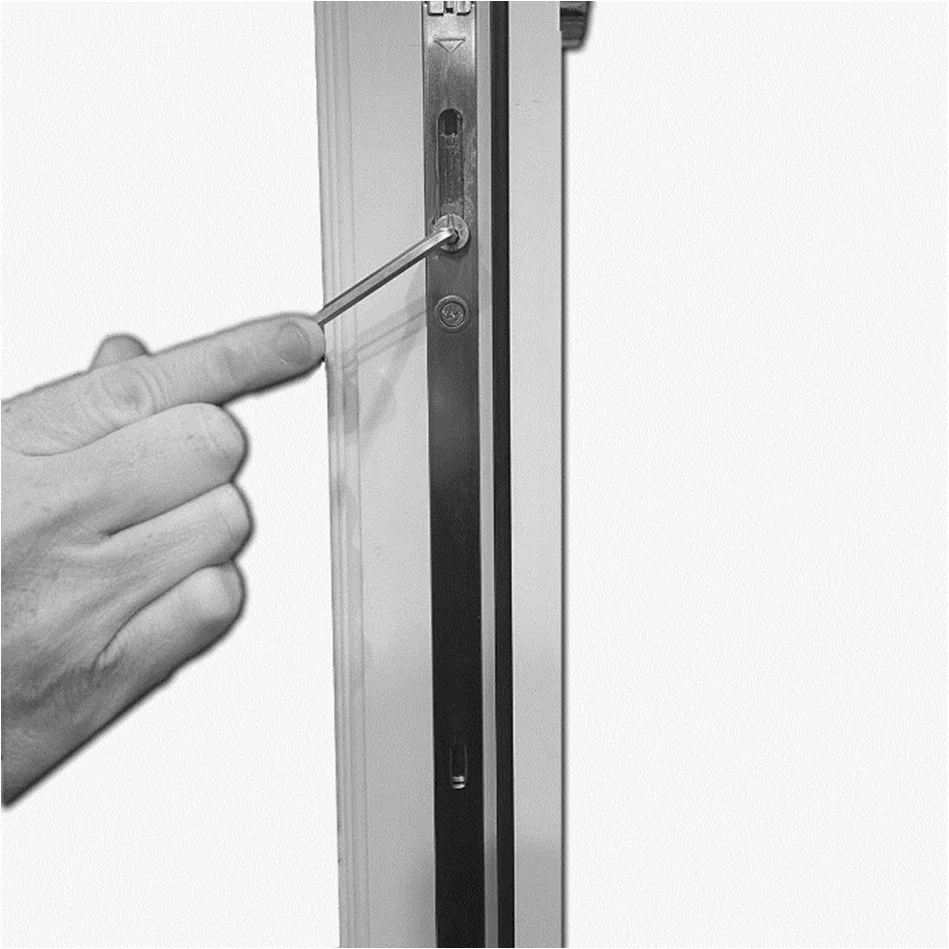
Some systems provide horizontal, vertical and compression adjustment using a 4mm Allen key, T25 Torx driver or screwdriver. However, the location, direction and permitted adjustment range are hardware-specific. Incorrect adjustment can worsen alignment, overload the mechanism or reduce weather sealing.
| Safe homeowner check | Leave to the installer |
|---|---|
| Remove loose dirt from rebates and visible drainage openings. | Removing hinges, stays, corner drives or safety components. |
| Check whether a gasket is dirty or visibly displaced. | Refitting or replacing damaged gaskets and locking hardware. |
| Confirm the sash is fully against the frame before turning the handle. | Supporting, lifting or realigning a heavy or unstable sash. |
| Apply only the lubricant identified in the product instructions. | Adjusting unidentified cams or screws without the exact hardware instructions. |
Only attempt an adjustment if the instructions for your exact hardware identify the adjustment point and you can support the sash safely. Work in very small increments and test after each change. Do not remove hinges, stays or safety components. If cleaning and basic checks do not solve the problem, contact Clyde Windows or the original installer. Our broader uPVC window care guide covers routine frame, glass and seal maintenance.
Cleaning tilt and turn windows safely
The inward-opening position normally allows both glass faces to be cleaned from inside. Keep the floor clear, control the sash and avoid leaning through the opening. Do not stand on furniture or overreach. If any task involves work at height, follow the Health and Safety Executive’s work-at-height guidance and use a competent professional where needed.
Looking after your tilt and turn windows
Routine cleaning, clear drainage paths and light hardware maintenance prevent many common problems. Operate the handle only when the sash is in the correct position, investigate changes early and avoid forcing or over-adjusting the mechanism.
For product-specific care advice, see our tilt and turn window service or learn more about our wider uPVC window installation service.
Frequently asked questions
How often should tilt and turn windows be cleaned?
As a general guide, clean the glass and PVC-U frames every three to four months. Check seals, rebates and drainage slots at the same time, with more frequent cleaning in coastal, polluted or dusty environments.
Can I use WD-40 on tilt and turn windows?
Do not use a general-purpose aerosol unless the window or hardware manufacturer specifically approves it. Some solvents and propellants can damage PVC-U finishes or seals. Use only the lubricant specified for the fitted hardware.
Why is my tilt and turn window catching the frame?
Debris, a displaced seal or sash misalignment can cause catching. Clean and inspect the contact area first. If the sash has dropped or still catches, ask the installer to identify the hardware and make the correct adjustment.