
Casement windows are straightforward to maintain. Clean the frames and glass every three to four months, keep rebates and drainage openings clear, inspect the gaskets, and lightly lubricate approved moving parts at least once a year.
This guide explains routine care, common opening positions, easy-clean hinges and the first checks to make if a sash feels draughty or becomes difficult to lock. Hardware varies, so follow the instructions for the exact window and avoid adjustment when the sash already operates correctly.
You can also download our window care and maintenance guide (PDF) for detailed advice on PVC-U frames, glazing, seals and hardware.
Casement window maintenance schedule
| Task | Suggested frequency | Method |
|---|---|---|
| Clean frames and glass | Every 3–4 months | Use warm water, mild detergent and a soft cloth; rinse and dry. |
| Clean gaskets | During routine cleaning | Wipe gently and check for damage or displaced sections. |
| Clear rebates and drainage slots | During routine cleaning | Use a soft brush and narrow vacuum attachment to remove debris. |
| Inspect and lubricate hardware | At least annually | Use only the lubricant specified for the fitted hinges and lock. |
| Check operation | Whenever the window is cleaned | Confirm the handle moves normally and the sash closes without catching. |
How to clean casement windows
Wash PVC-U frames with warm water, a little mild liquid detergent and a clean, soft cloth. Rinse with clean water and wipe dry. Avoid bleach, harsh solvents, abrasive cleaners, wire brushes and scouring pads, particularly on coloured or woodgrain finishes.
Remove loose grit before cleaning the glass so it cannot be dragged across the pane. Use clean soapy water or an appropriate household glass cleaner, taking care around jewellery and coated or self-cleaning glass.
The GGF’s consumer guidance on windows also explains common glazing features and condensation behaviour that homeowners may encounter during routine care.
Clean seals, rebates and drainage slots
Open the sash and brush loose dirt from the frame rebate. Remove it with a narrow vacuum attachment and keep visible drainage slots clear. Do not enlarge drainage openings or push sharp metal tools into the frame.
Clean rubber gaskets with a mild soapy solution and a soft cloth. Do not pull them from their grooves or apply an unsuitable chemical. Split, brittle or badly stretched seals require the correct replacement profile.
Casement window handle positions
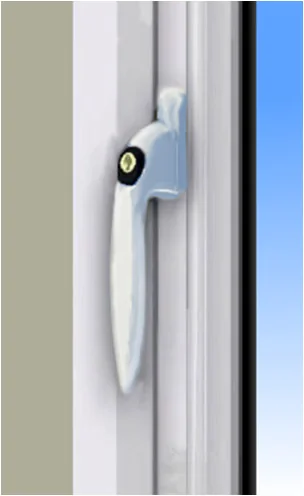
On many casement windows, the handle points down when closed and rotates to release the locking points. Some systems provide a small ventilation position by opening the sash slightly and returning the handle, but this depends on the installed hardware. A locking handle may secure the closed or ventilation position.
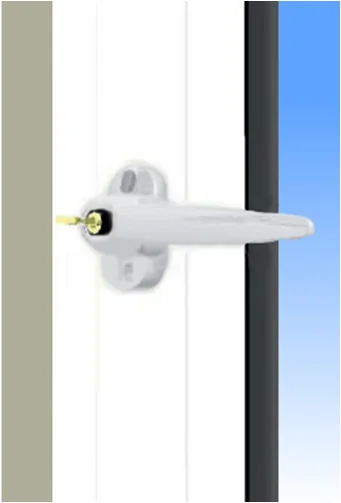
A fully opening casement provides wider ventilation and easier cleaning. It is an emergency escape window only where its clear opening, height and installation were designed to meet that purpose.
Using easy-clean casement hinges
Some side-hung windows have easy-clean hinges that allow the open sash to slide towards the centre. Open the window almost fully, identify the hinge release and press it while moving the sash gently. Repeat at the other hinge where required. The sash should move without force.
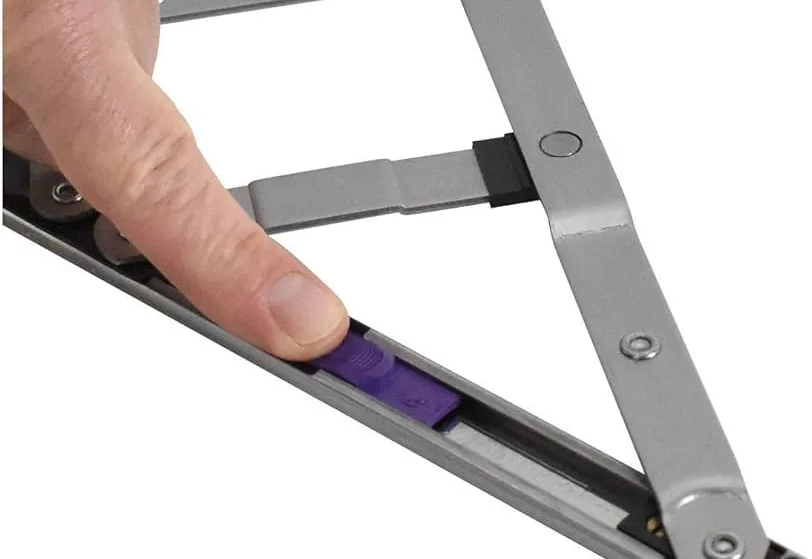
Keep control of the sash and do not lean through the opening. If the release is unclear, seized or different from the example, stop and ask the installer. Follow the Health and Safety Executive’s work-at-height guidance whenever access creates a fall risk.
Lubricating casement window hardware
Clean visible hinges, keeps and locking points before applying lubricant. Use the product specified for the fitted hardware—often a small amount of light oil, suitable grease or silicone-based lubricant—and wipe away excess. Do not cover the mechanism with a general-purpose aerosol.
The GGF window and door good-practice guide recommends following the manufacturer’s instructions and checking and lubricating fittings where necessary. Coastal, poolside and other corrosive environments may need more frequent care.
What to check if a casement window feels draughty
| Symptom | Safe first check | When to contact the installer |
|---|---|---|
| Draught around the sash | Confirm the window is fully locked and inspect the gasket for dirt or damage. | If compression remains uneven or the seal needs replacement. |
| Handle is hard to turn | Check that the sash is fully against the frame and remove visible debris. | If the handle grinds, slips or still requires force. |
| Sash catches the frame | Clean the contact area and note exactly where it catches. | If the sash appears dropped or needs hinge adjustment. |
| Water remains in the rebate | Clear visible drainage openings. | If water does not drain or enters the room. |
Casement window compression adjustment
Some locking heads are eccentric cams that alter how tightly the sash pulls against the gasket. A small change can increase or reduce compression, but the direction and permitted range vary. Too much compression can make the handle difficult to operate and overload the lock.
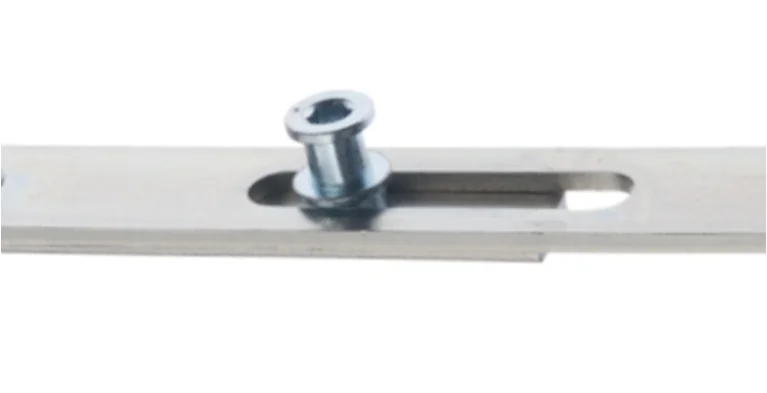
Do not adjust a window that works normally. If the mechanism does not match the instructions or small changes do not solve the issue, return it to its original position and arrange professional attention.
Looking after your casement windows
Regular gentle cleaning and early attention to stiffness or drainage issues prevent many avoidable faults. For product details, visit our casement window installation service or our wider uPVC window service. Our uPVC window care guide gives additional advice on frames, glazing and seals. If we installed your windows and you need aftercare, contact Clyde Windows.
Frequently asked questions
How often should I clean casement windows?
Every three to four months is a useful general schedule. Clean more often in coastal, polluted or dusty environments.
Why is my casement window difficult to lock?
Debris, a displaced seal, sash alignment or excessive locking compression can make operation difficult. Clean and inspect the window first and never force the handle.
Should I adjust a casement window that works normally?
No. Adjustment is appropriate only when there is a genuine operation or sealing problem and the instructions match the fitted hardware.