
Adding an orangery to your home is one of the most effective ways to create a bright, versatile living space while increasing property value. In Scotland, however, careful planning is essential to ensure your orangery can withstand the climate and meet local regulations.
We have put together a practical guide with considerations for homeowners when extending their home with an orangery.
Understanding What an Orangery Is
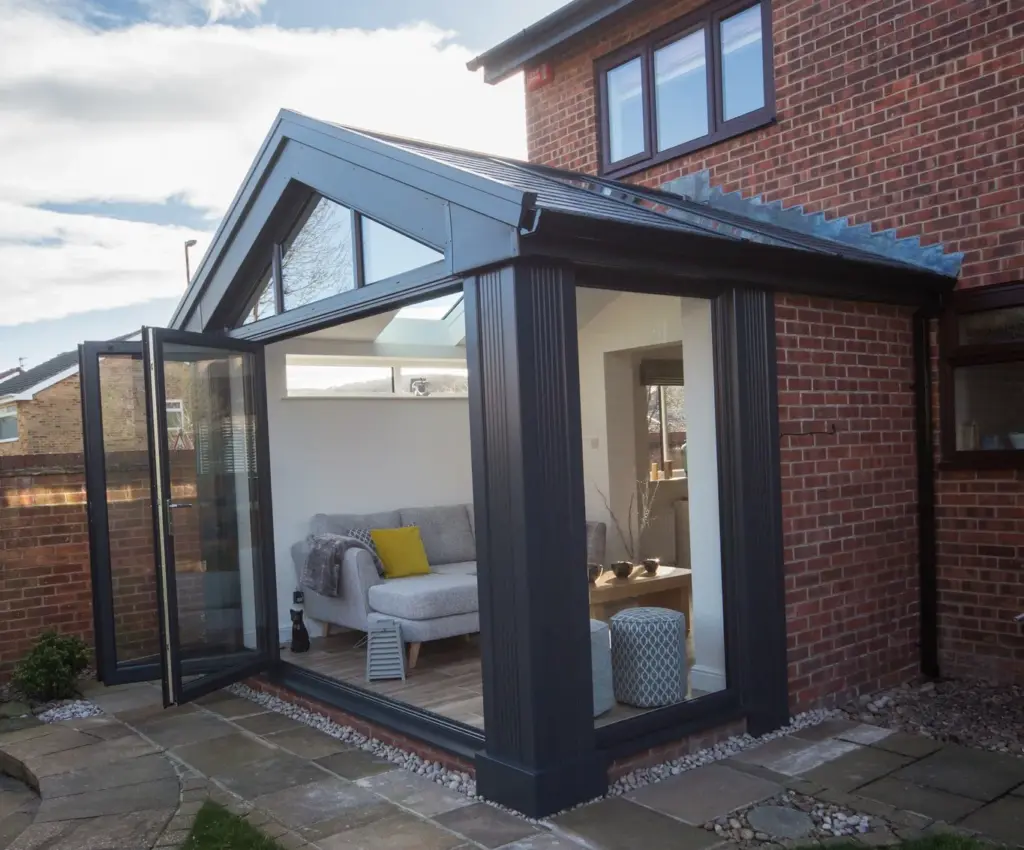
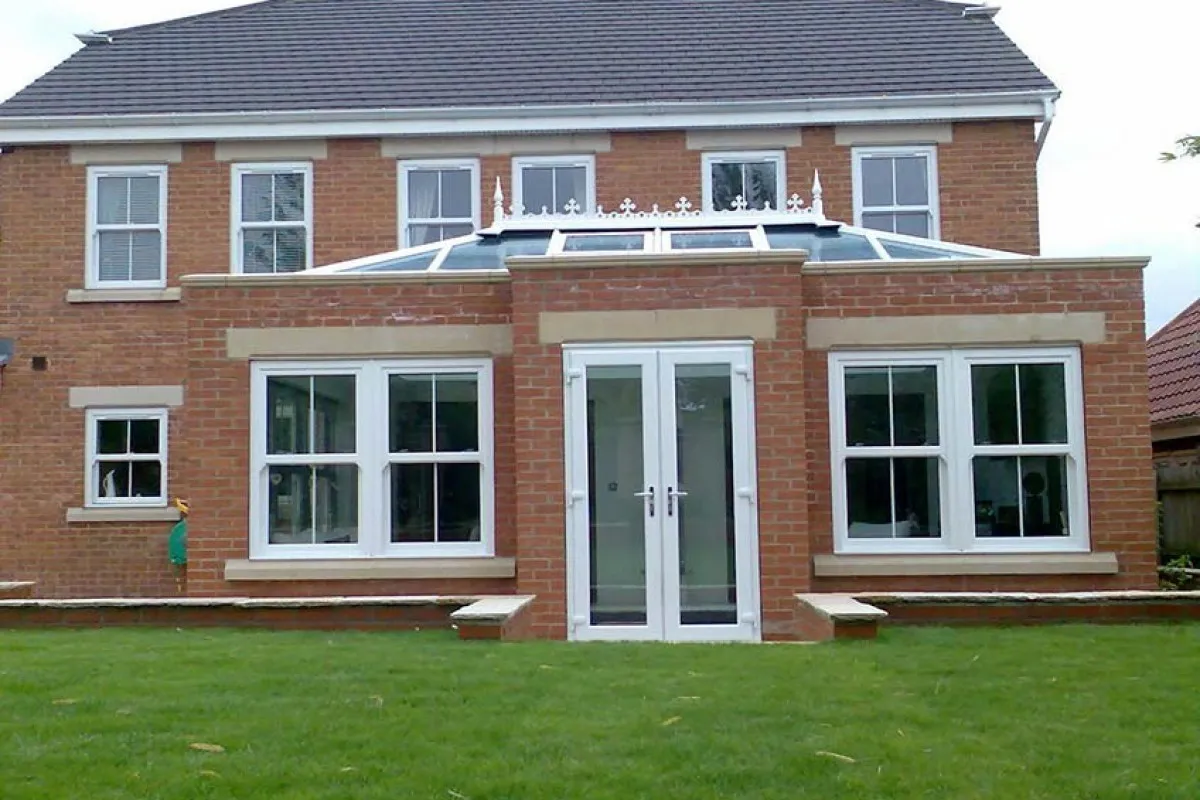
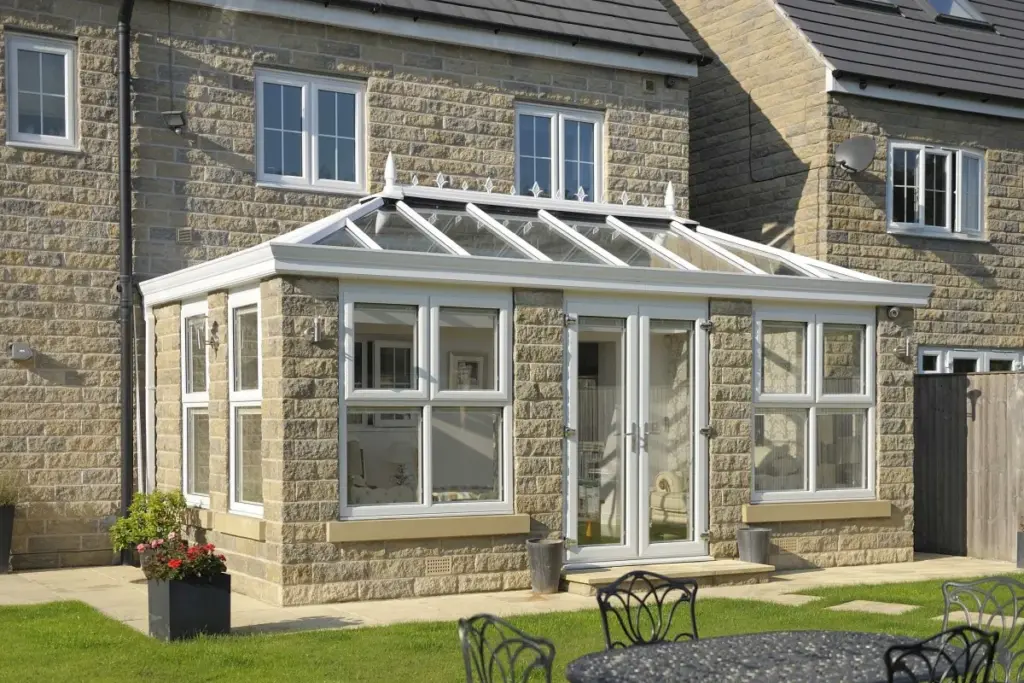
An orangery is a hybrid between a traditional extension and a conservatory. It typically features:
- Solid walls or pillars
- Large windows or glazed panels
- A flat roof with a central roof lantern
Compared to conservatories, orangeries offer better insulation and a more “room-like” feel—ideal for Scotland’s cooler weather.
Orangery Planning Permission in Scotland
Before building, it’s important to understand whether you need permission.
In many cases, orangeries fall under permitted development, meaning you may not need full planning approval. However, you will likely need permission if:
- Your property is listed
- You live in a conservation area
- The extension exceeds size or height limits
- It significantly alters the appearance of your home
It’s always wise to check with your local council early to avoid delays or unexpected issues you can use the council finder on mygov.scot.
Designing for the Scottish Climate
Scotland’s weather can be unpredictable, so your orangery must be built for comfort year-round. You should consider including a specialist in your planning process and make sure they have a proven track record in building bespoke conservatories.
Key considerations include:
Insulation
- Opt for high-performance glazing (double or triple)
- Ensure walls and roof meet modern insulation standards
Heating
- Underfloor heating is a popular choice for consistent warmth
- Radiators or electric heating can supplement colder months
Ventilation
- Roof lantern vents or opening windows help prevent condensation
Roof Design
- Choose durable, weather-resistant materials
- Ensure proper drainage for heavy rainfall
Choosing the Right Location
Choosing where to position your orangery on your property can have great effects how you’ll use it. Be aware that you have to plan you orangery withing building permissions, so you may have limited options where you build it
- South-facing: Maximum sunlight, great for lounging spaces
- North-facing: Cooler, softer light—ideal for dining or relaxing
- East-facing: Morning light for breakfast areas
- West-facing: Evening sun, perfect for entertaining
Think about how light and temperature will change throughout the day and seasons.
Setting a Realistic Budget
Costs can vary widely depending on size, materials, and finishes.
Typical Orangery cost factors:
- Foundations and groundwork
- Glazing and structural materials
- Roofing and roof lantern
- Heating and electrics
- Interior finishes
In Scotland, investing in higher-quality insulation and materials is often worthwhile due to the climate. We also highly recommend consulting a construction company before commissioning an architect to draw up plans for your extension, as they can advise on which options and materials are feasible within your budget.
Selecting Materials and Style
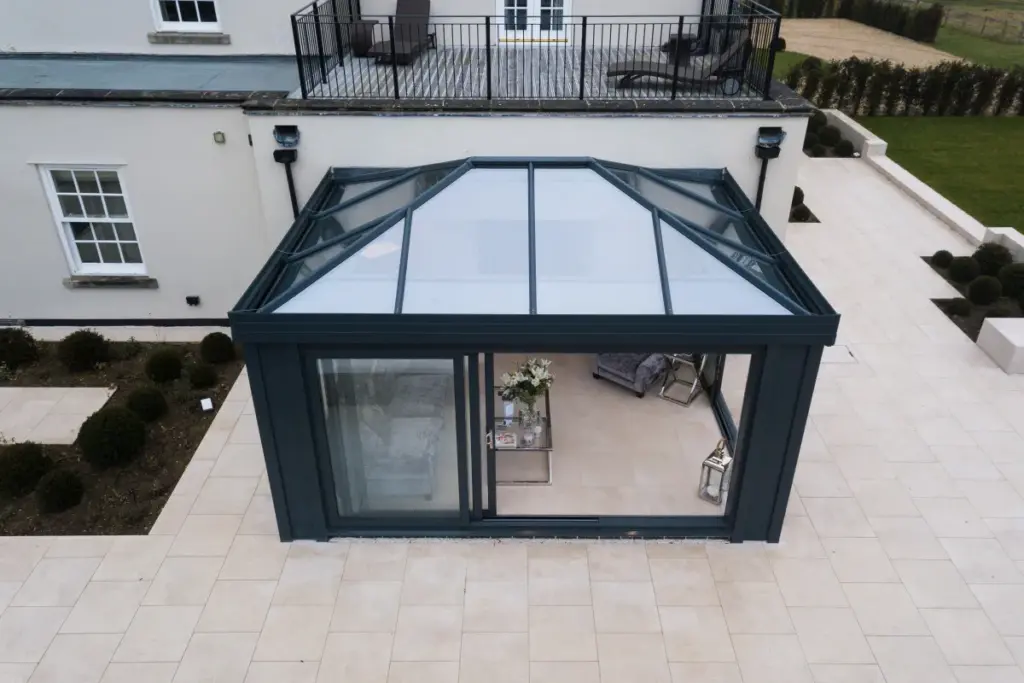
Your orangery should complement your home’s existing architecture.
Popular material choices:
- Aluminium: Sleek, modern, low maintenance
- uPVC: Cost-effective and widely available
- Timber: Traditional and warm, but requires upkeep
Style tips:
- Match brickwork or stone to your home
- Choose window frames that complement existing designs
- Keep proportions balanced for a seamless look
Hiring the Right Professionals
A successful orangery project depends on skilled professionals.
You may need:
- Architect or designer
- Builder or specialist orangery company
- Structural engineer (for larger builds)
Always:
- Check credentials and past projects
- Ask for detailed quotes
- Ensure compliance with Scottish building regulations
Interior Ideas for Year-Round Use
Once built, your orangery can serve many purposes:
- Living room extension for relaxing with natural light
- Dining space perfect for entertaining
- Home office with a calming outdoor feel
- Garden room filled with plants and greenery
Add soft furnishings, layered lighting, and warm textures to create a cosy atmosphere during colder months.
Planned properly an orangery can be a valuable and beautiful addition to any Scottish home—but success lies in thoughtful planning. By considering the climate, regulations, design, and budget, you can create a space that enhances both your lifestyle and your property.