
Triple Glazing vs Double Glazing
Triple glazing adds a 3rd pane of glass to a window unit, creating an extra insulating cavity designed to lower the U-value and improve thermal performance. It sounds like an obvious upgrade — but the reality is more nuanced. In this guide, we break down exactly what triple glazing offers, where it falls short, and when we’d recommend it to our customers.
Is Triple Glazing Worth It?
We can — and do — supply triple glazed windows when customers specifically request them. But we always make sure our customers have the full picture before they decide.
Double glazing is better than single glazing — absolutely. So triple glazing must be better than double glazing? Not always.
The key factors that determine real-world performance are the type of glass used, the width of the gas-filled cavity, and whether argon gas has been injected during manufacture. When we specify our high-performance double glazing correctly, the difference in U-value between double and triple can be negligible — yet the cost difference is significant.
Our High-Performance Double Glazing Specification
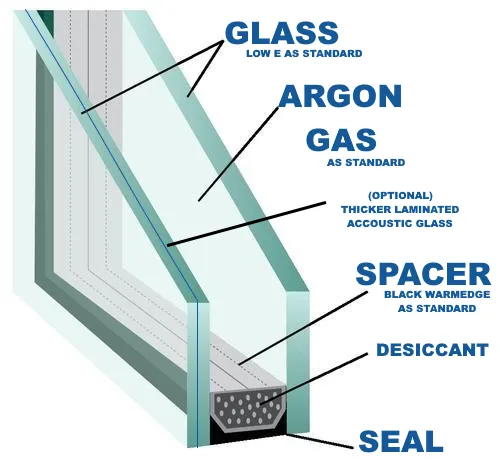
Our standard double glazing unit is made up of: 4mm extra clear glass / 20mm argon-filled cavity (90% concentration) / 4mm ClimaGuard A+. This combination delivers outstanding U-values and solar heat gain — meaning your home stays warmer for longer using free energy from the sun.
Thanks to advances in glass technology, we now have access to argon-filled cavities, thermally efficient multi-chamber PVC profiles, warm edge spacers, and Low-E glass coatings. Together, these innovations bring our double glazed units to near parity with many triple glazed alternatives — at a fraction of the cost.
There is one important advantage our high-performance double glazing holds over triple glazing: solar gain. The extra pane in triple glazed units reduces the amount of natural light and solar heat entering your home — something that costs you nothing but delivers real warmth in winter. Our double glazed units are specifically designed to capture and reflect that heat back into your rooms.
What About Triple Glazing for Noise Reduction?
Triple glazing is often marketed as a solution for noise reduction, and yes — the extra cavity does help dampen sound. But if noise is your primary concern, we’d point you towards acoustic glazing instead. Acoustic glass is purpose-engineered to absorb and block sound frequencies far more effectively than standard triple glazing. It’s not a new technology — it just hasn’t been widely discussed until triple glazing brought the noise conversation into focus. We offer acoustic glass as an option within our double glazed units, giving you the best of both worlds.
Double Glazed Units — How We Build Them
Our double glazed units are made up of two 4mm panes of glass with Low-E coatings, toughened where required. We can also provide acoustic glass within the same overall unit thickness for customers who need additional sound reduction.
Triple Glazed Units — How They’re Built
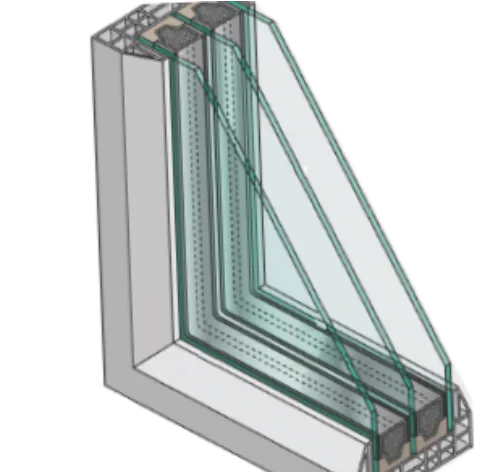
High-performance triple glazing requires at least two panes of Low-E glass, typically specified as: 4mm clear / 4mm Low-E / 4mm Low-E. Manufacturers recommend that the middle Low-E pane is toughened to prevent thermal stress cracking — an important detail that affects both longevity and cost.
U-Value Comparison: Double Glazing vs Triple Glazing
The tables below show the U-values we can achieve with both double and triple glazed units. The lower the U-value, the better the thermal performance. Click any image to enlarge.
Double Glazed Units — U-Values
| Double Glazed — Glass Make Up | U-Value | Thickness |
| 4mm clear glass / 20mm Argon / 4mm Planitherm Total+ | 1.2 W/m²K | 28mm |
| 4mm clear glass / 16mm Argon / 4mm Planitherm One | 1.0 W/m²K | 24mm |
Triple Glazed Units — U-Values
| Triple Glazed — Glass Make Up | U-Value | Thickness |
| 4mm clear / 8mm + Ar / 4mm clear / 8mm + Ar / 4mm Planitherm T+ | 1.3 W/m²K | 28mm |
| 4mm clear / 8mm + Ar / 4mm Plan T+ / 8mm + Ar / 4mm Plan T+ | 1.0 W/m²K | 28mm |
| 4mm clear / 8mm + Ar / 4mm Plan 1 / 8mm + Ar / 4mm Plan 1 | 0.9 W/m²K | 28mm |
| 4mm clear / 10mm + Ar / 4mm Plan T+ / 10mm + Ar / 4mm Plan T+ | 0.9 W/m²K | 32mm |
| 4mm clear / 10mm + Ar / 4mm Plan 1 / 10mm + Ar / 4mm Plan 1 | 0.8 W/m²K | 32mm |
| 4mm clear / 12mm + Ar / 4mm Plan T+ / 12mm + Ar / 4mm Plan T+ | 0.8 W/m²K | 36mm |
| 4mm clear / 12mm + Ar / 4mm Plan 1 / 12mm + Ar / 4mm Plan 1 | 0.7 W/m²K | 36mm |
Ar = Argon gas at 90% concentration
What the Data Tells Us
- A triple glazed unit can actually perform worse than a double glazed unit — depending entirely on the glass specification chosen.
- Wider argon-filled cavities are the single biggest driver of improved U-values — in both double and triple glazed units.
- Our best double glazed unit achieves a 1.0 W/m²K U-value — matching mid-range triple glazing at a considerably lower cost.
Our Honest Recommendation
If you’re looking to improve your home’s energy efficiency, we believe our high-performance double glazing delivers the best balance of thermal performance, solar gain, natural light, and cost. Triple glazing can be the right choice in specific circumstances — particularly in properties with very high heat loss, passive house builds, or where customers have a strong preference for it.
But if someone is selling you triple glazing purely on the promise of lower heating bills, ask to see the U-value comparison first. The numbers speak for themselves — and we’re always happy to walk you through them.
Interested in finding out which glazing specification is right for your home? Get in touch with us today for a free, no-obligation quote.