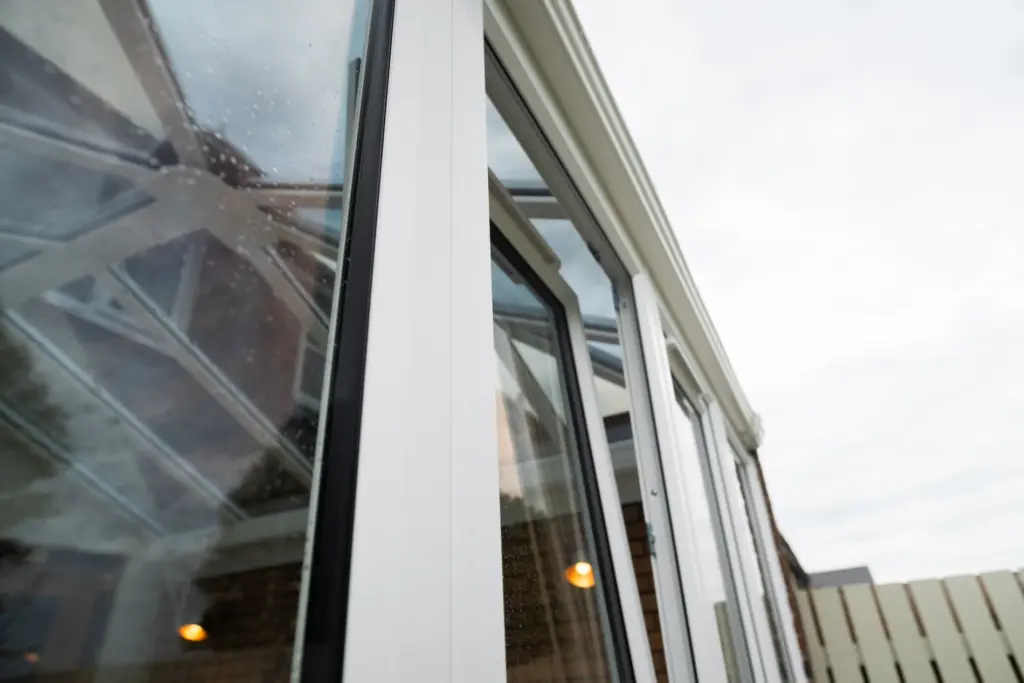


uPVC windows need little maintenance, but they are not completely maintenance-free. A simple routine—washing the frames, clearing drainage openings, checking the seals and lightly lubricating approved moving parts—helps protect the finish and keeps each window opening and closing properly.
For most homes, a thorough clean every three to four months is a sensible starting point. Homes near the coast, busy roads or building work may need more frequent attention because salt, traffic film and dust build up faster.
A practical uPVC window maintenance schedule
| Task | When to do it | What to look for |
|---|---|---|
| Wash frames and glass | Every 3–4 months | Grime, salt, pollen and residue around corners and opening sashes. |
| Clean rebates and drainage slots | During each routine clean | Dust, insects or debris that could prevent water leaving the frame. |
| Inspect gaskets and seals | At least once a year | Cracks, flattening, gaps or sections pulled out of position. |
| Check handles, hinges and locking points | At least once a year | Loose fixings, stiffness, unusual noise or parts rubbing against the frame. |
| Check external sealant | During routine cleaning | Splits, gaps or sealant pulling away from the frame or wall. |
| Arrange professional attention | When operation changes | A dropped sash, persistent draught, water ingress, failed glass unit or damaged hardware. |
The right frequency depends on exposure and use. Our window care and maintenance guide (PDF) recommends washing PVC-U frames every three to four months, with monthly cleaning suggested in urban and coastal environments.
How to clean white uPVC window frames
Start by removing loose dust with a soft brush or dry microfibre cloth. Wash the frame using warm water, a small amount of mild washing-up liquid and a clean, soft cloth. Work along the frame without pressing hard, then rinse with clean water and wipe dry. The GGF also provides broader consumer guidance on windows and glazing.
A purpose-made uPVC cleaner can help with stubborn grime, but check the label first and use it sparingly. Keep strong cleaning products away from silicone joints, rubber seals and decorative finishes. Never assume that a professional trade cleaner is suitable for routine homeowner use.
Cleaning coloured and woodgrain uPVC frames
Coloured and woodgrain windows normally have a decorative foil over the uPVC profile. Treat this finish gently: use warm soapy water and a soft cloth, avoid scrubbing, and never use a solvent cleaner intended for plain white uPVC. Abrasive or aggressive products can dull, scratch or lift the decorative surface.
| Usually suitable for routine cleaning | Avoid |
|---|---|
| Warm water with a little mild detergent | Bleach and products containing bleaching agents |
| Soft, clean microfibre or colourfast cloth | Scouring pads, wire wool and abrasive powders |
| Clean water for rinsing | White spirit, cellulose thinners and nail-varnish remover |
| A manufacturer-approved frame cleaner | Metal polish, acids, alkalis and brick-cleaning chemicals |
| Gentle hand pressure | Pressure washers or steam cleaners directed at joints and seals |
How to clean the glass without damaging it
Remove loose grit before wiping the pane so it cannot be dragged across the glass. Wash with clean soapy water or a suitable household glass cleaner and finish with a soft lint-free cloth. Take off rings or bracelets that could touch the pane.
Do not use a blade, scraper or abrasive pad to remove paint, adhesive or builders’ residue unless the glass supplier has confirmed the method. Coated and self-cleaning glass may have its own care instructions. If marks appear only when the pane is wet, our guide to suction-cup marks on window glass explains the likely cause.
Clear drainage slots and frame rebates
Opening windows have channels within the lower frame that direct incidental water back outside. Open the sash and inspect the rebate. Lift out loose debris with a soft brush and use a narrow vacuum attachment where practical.
Keep visible drain holes clear, but do not enlarge them or push sharp metal tools into the frame. A cotton bud or thin wooden or plastic stick can loosen a minor blockage. If water remains in the rebate after cleaning, ask the installer to check the drainage route rather than drilling a new hole.
Check rubber seals and external sealant
Wipe rubber gaskets with mild soapy water and check that they sit evenly around the sash. Do not pull them from their grooves. A short section that has moved may sometimes be reseated gently, but split, brittle or badly stretched seals need the correct replacement profile.
Also inspect the sealant where the frame meets the building. Cleaning is fine, but avoid breaking the bond. Gaps or cracking that allow water to reach the wall should be assessed and resealed with a compatible product by someone who understands the installation.
Lubricating hinges, handles and locking points
Clean the hardware before adding lubricant. Use the product specified for the fitted mechanism—often a small quantity of light machine oil or suitable grease applied to designated moving contact points. Wipe away excess so it does not attract grit or spread onto the frame and seals.
Do not spray a general-purpose aerosol over the mechanism. Solvents and propellants may affect PVC-U, foils, gaskets or factory-applied grease. The GGF’s window and door good-practice guide advises following the manufacturer’s maintenance instructions and checking and lubricating fittings where necessary.
| Symptom | Safe first check | When to seek help |
|---|---|---|
| Stiff handle | Make sure the sash is fully against the frame and check for visible debris. | If the handle still resists, grinds or will not reach its normal position. |
| Window catches when closing | Clean the rebate and identify the exact contact point. | If the sash appears to have dropped or needs lifting or adjustment. |
| Draught around an opening sash | Confirm it is fully locked and inspect the gasket for gaps or damage. | If the seal is damaged or the locking compression appears uneven. |
| Water in the frame | Clear visible drainage paths and external outlets. | If water does not drain or reaches the room. |
| Mist between glass panes | Confirm the moisture is inside the sealed unit, not on a cleanable surface. | Contact the installer because the glass unit may have failed. |
Condensation is not always a window fault
Moisture on the room-side surface usually points to warm, humid indoor air meeting cold glass. External condensation can occur on efficient glazing because less heat escapes to warm the outer pane. Persistent misting between the panes is different and can indicate a failed sealed unit. See our guide to internal window condensation for causes and practical steps.
When to contact a window professional
| You can usually handle | Arrange professional inspection |
|---|---|
| Routine washing and drying | Cracked glass or moisture between panes |
| Removing loose debris from rebates | A dropped, twisted or unstable opening sash |
| Cleaning accessible drainage slots | Hardware that is broken, grinding or seized |
| Wiping and visually checking gaskets | Water entering the room or damaged external seals |
| Applying an approved lubricant as instructed | Any adjustment where the exact hardware instructions are unavailable |
Do not remove hinges, stays, glazing beads or locking components as part of routine maintenance. Avoid leaning out or standing on furniture to reach external glass. Where access creates a fall risk, follow the Health and Safety Executive’s work-at-height guidance and use a suitable professional.
Keep your uPVC windows working properly
A regular gentle clean is more useful than occasional aggressive scrubbing. Keep the water paths open, use compatible products and investigate changes in operation before a minor issue becomes harder to correct.
For information about replacement windows, visit our uPVC window installation service. If Clyde Windows installed your windows and you need product-specific aftercare, contact us with photographs and your installation details.
Frequently asked questions
How often should I clean uPVC window frames?
Every three to four months is a useful general schedule. Clean more frequently where salt, traffic pollution, pollen or construction dust builds up quickly.
Can I use bleach on uPVC windows?
No. Bleach and other aggressive cleaners can damage the surface, decorative foils, seals or nearby finishes. Warm water with a little mild detergent is normally enough for routine cleaning.
What should I use to lubricate window hinges?
Use only the lubricant recommended for the fitted window hardware, commonly a small amount of light machine oil or suitable grease. Clean the hardware first and keep lubricant away from seals and frame surfaces.